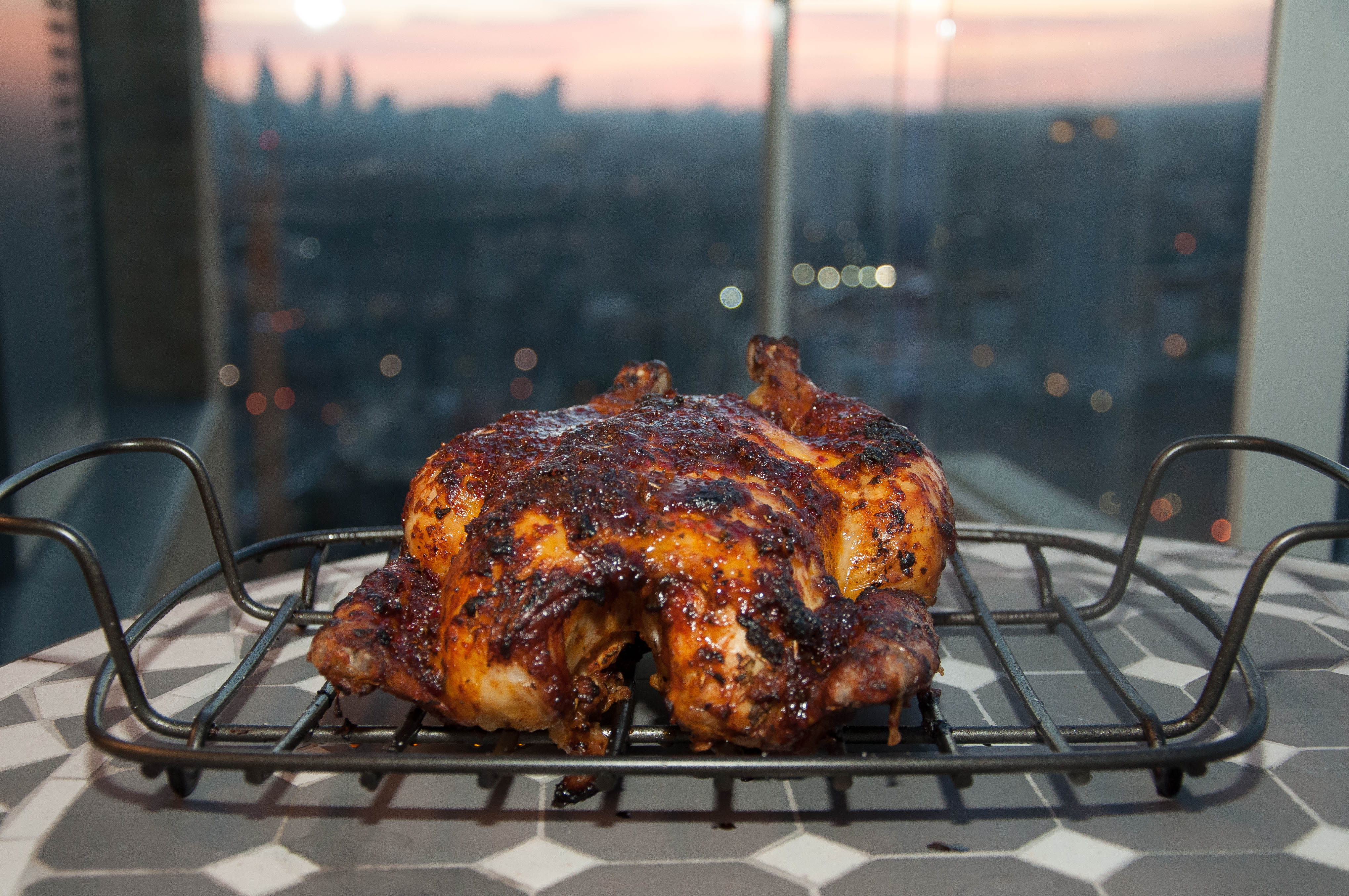
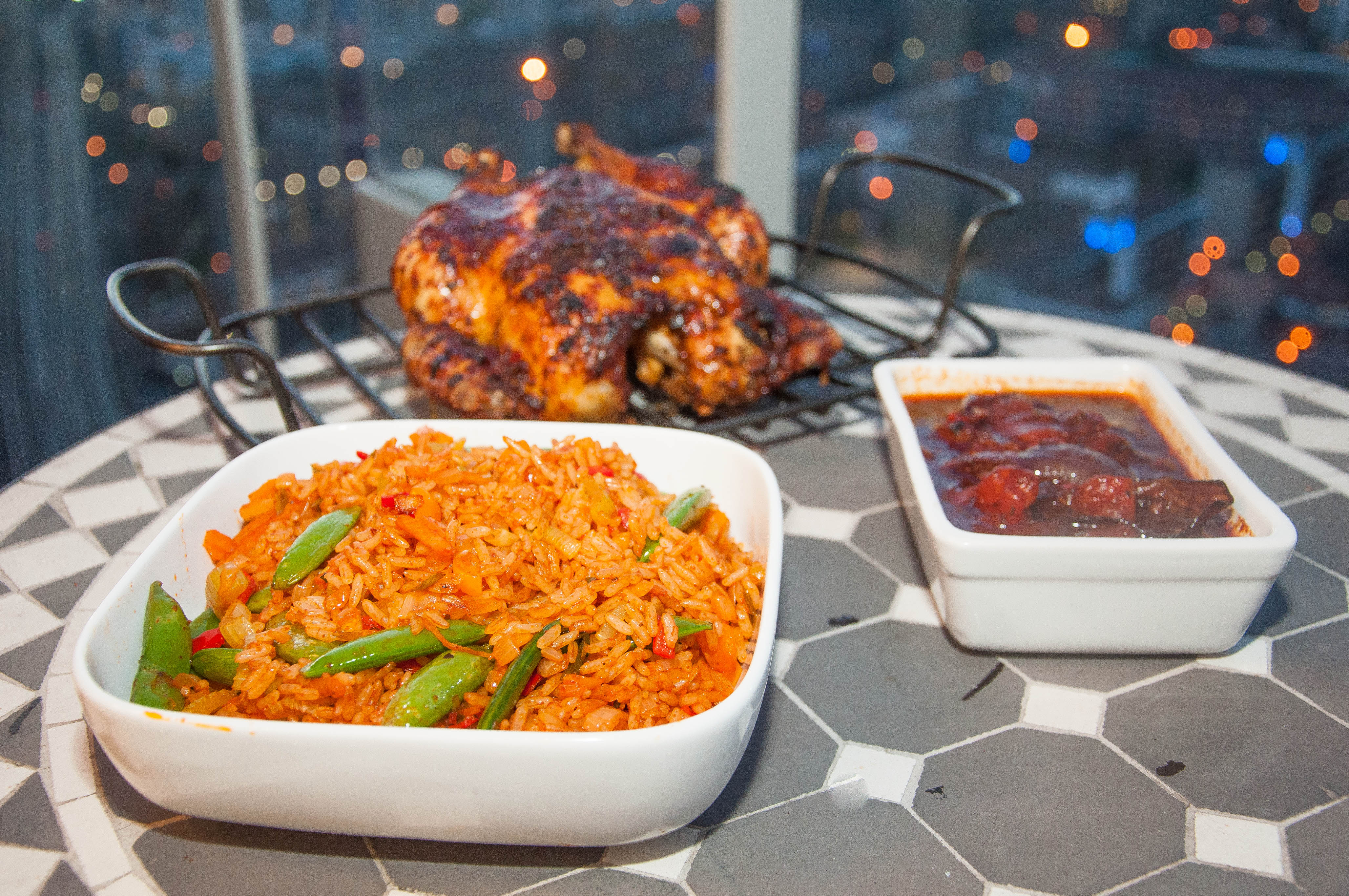
‘WHO NEEDS NANDOS’ ULTIMATE PIRI PIRI CHICKEN AND SPICY RICE

DSC_0266DSC_0261DSC_0276

RECIPE_INFO_0004

So there is a brief bit of history behind this recipe’s origination. Basically about 2 years ago a certain well known Piri Piri chicken chain changed their loyalty cards and refused to accept the two I had diligently been collecting stamps for – despite the fact they were completed and I was eagerly anticipating two, whole, juicy, spicy and most importantly FREE chickens. Thanks to this crappy customer service, in a fit of (pathetic) rage I decided to boycott said restaurant chain and invent my own Piri Piri chicken recipe to get me over my frequent cravings.

Thus began many hours of sad, sad research into Piri Piri preparation. And not just Piri recipes – I looked at all sorts of spicy chicken recipes from american bbq to indian curried, in my quest to invent what I believe to be the ultimate in Piri Piri chicken. This isn’t a purists Piri chicken – I’ve added a few elements and steps that you wouldn’t find a your average, bog standard Piri recipe – But it is better! This is, what I hope, a Piri Piri recipe would look like if it evolved towards self awareness.

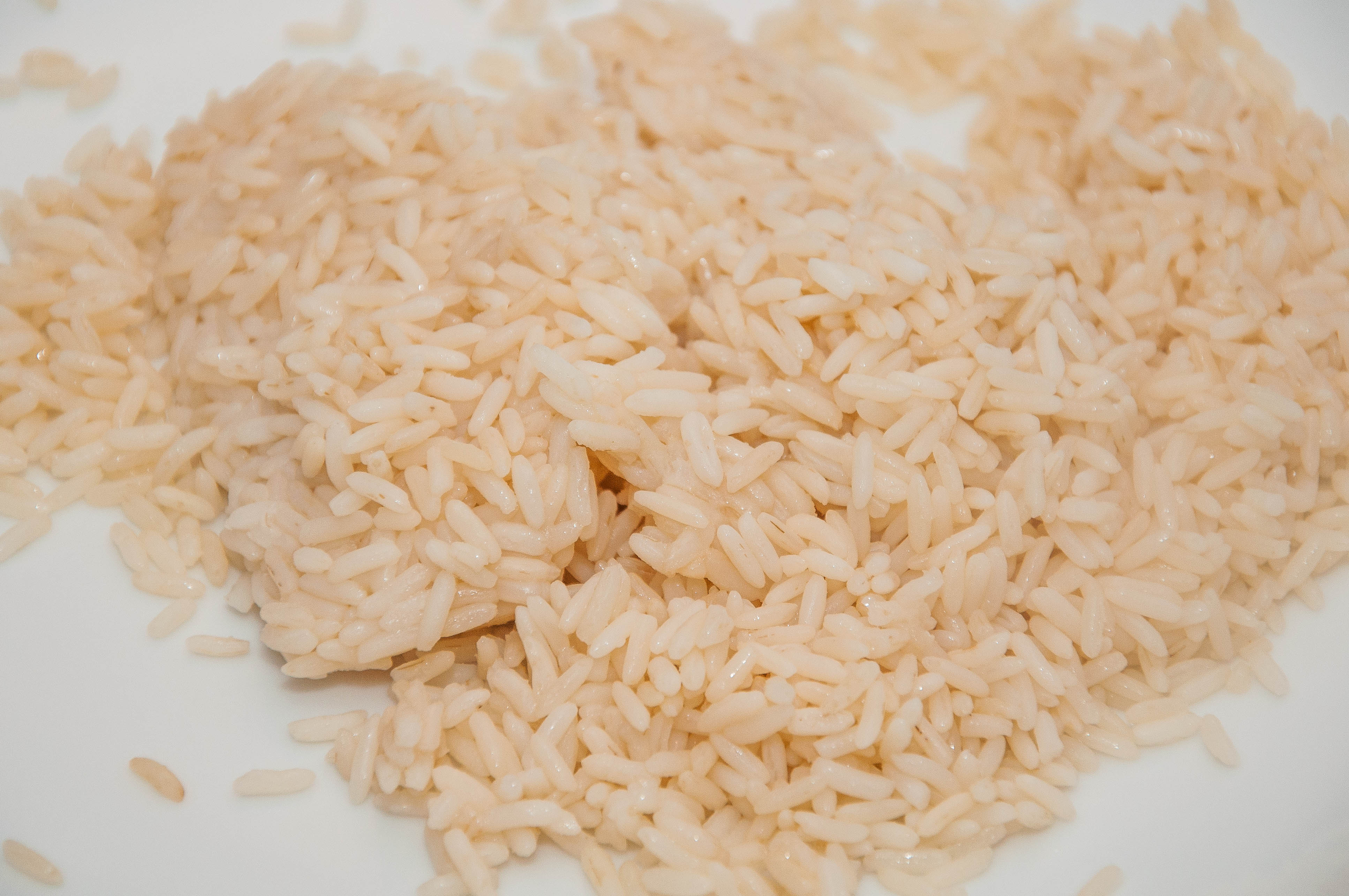
I’ll admit that this recipe does require a smidgeon more effort than popping down to your local high street food chain… BUT it is so worth it. The extra effort is minimal – all thats required is a small amount of pre-planning and effort in order to prepare the dry rub salt cure for the chicken and cook some rice about a day before hand. This dry rub may seem like a lot of needless prep, but the extra juicy, moistness and booming flavour it adds to the meat is astounding. Dry rubs essentially work by using the salt/sugar to draw out the water in the meat, allowing it to mingle with the flavours in the cure, before, through a process of osmosis, all the surrounding moisture is drawn back into the meat. And just like that – BOOM – your meat becomes juicy flavour central. Then with an extra short marinade for good measure this recipe packs a hot, spicy, sweet, sticky wallop of Piri Piri awesomeness.

DSC_0320

INGREDIENTS

For the chicken dry cure rub

  • salt and freshly ground black pepper
  • 4 chopped and crushed garlic cloves
  • 2 tbsp. fresh rosemary leaves
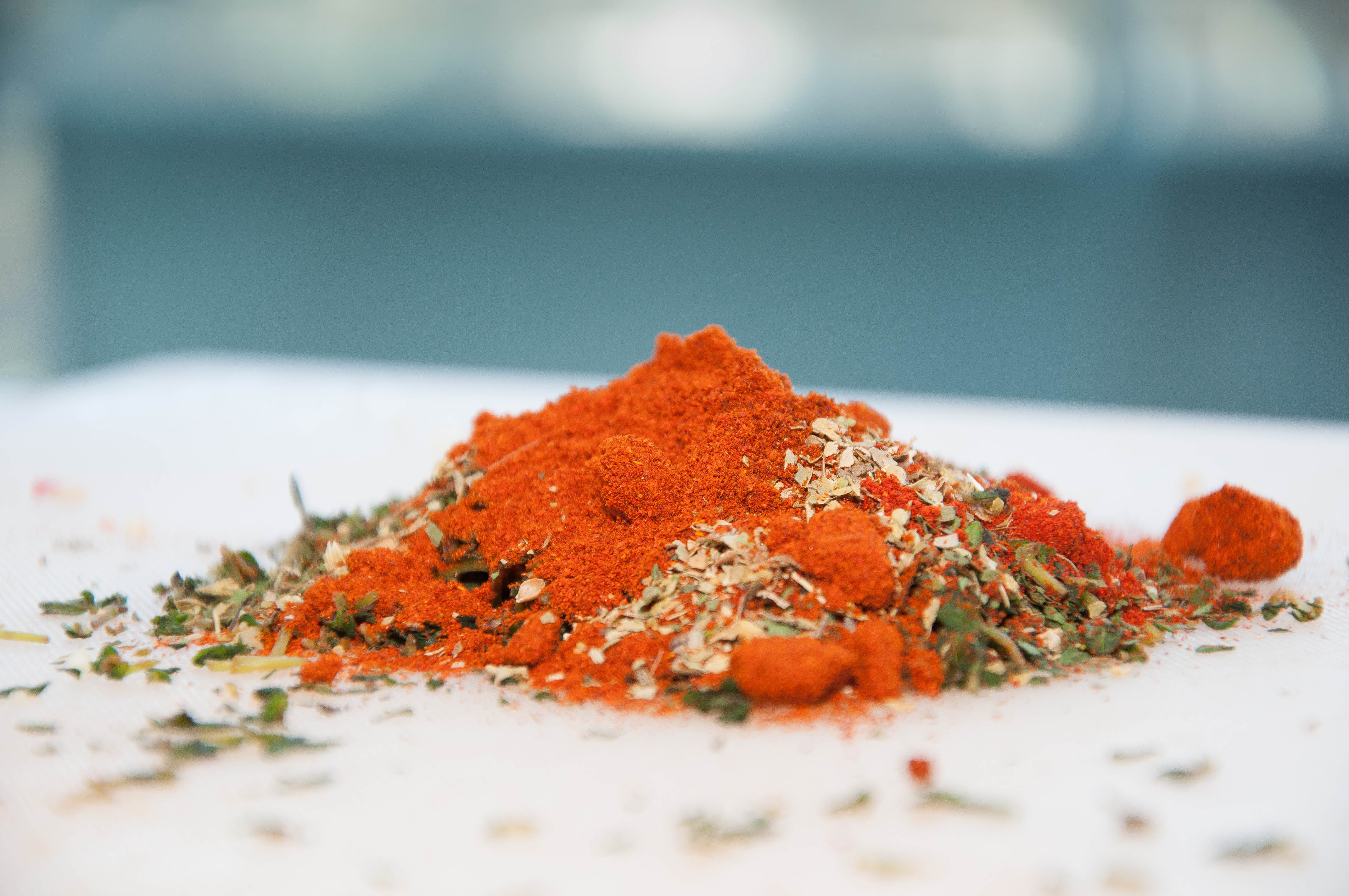
  • 2 tbsp. fresh oregano leaves
  • 2 tbsp smoked paprika
  • 4 tsp. rock salt
  • 1 Tbsp. finely grated lemon zest
  • 10 sprigs lemon thyme
  • 2 tsp. light brown sugar

For the chicken

  • 2kg/4½lb whole free range/organic chicken
  • salt and freshly ground black pepper
  • 150ml/5fl chicken stock
  • 250 ml/5fl red wine
  • 250ml/5fl Cider
  • 3 red onions

For the peri peri sauce

  • 4 garlic cloves
  • 5 red chillies
  • 2 Birds Eye Chilli
  • 2 tbsp of tomato puree
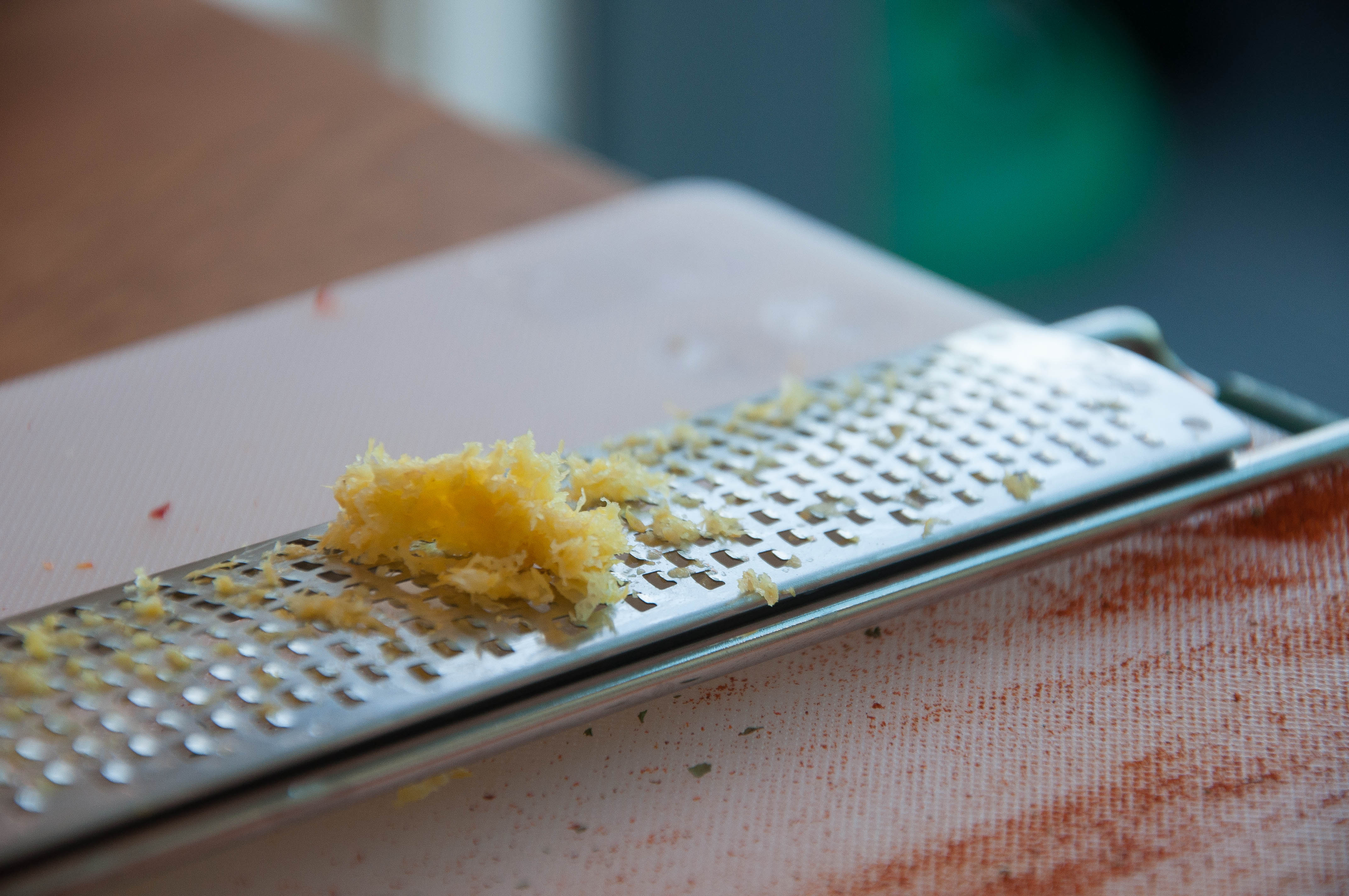
  • 2cm/1in piece of ginger, grated
  • 50ml/2fl oz vegetable oil
  • 25ml/1 fl oz white or red wine vinegar
  • 250ml/5fl Cider
  • 3 tbsp soy sauce
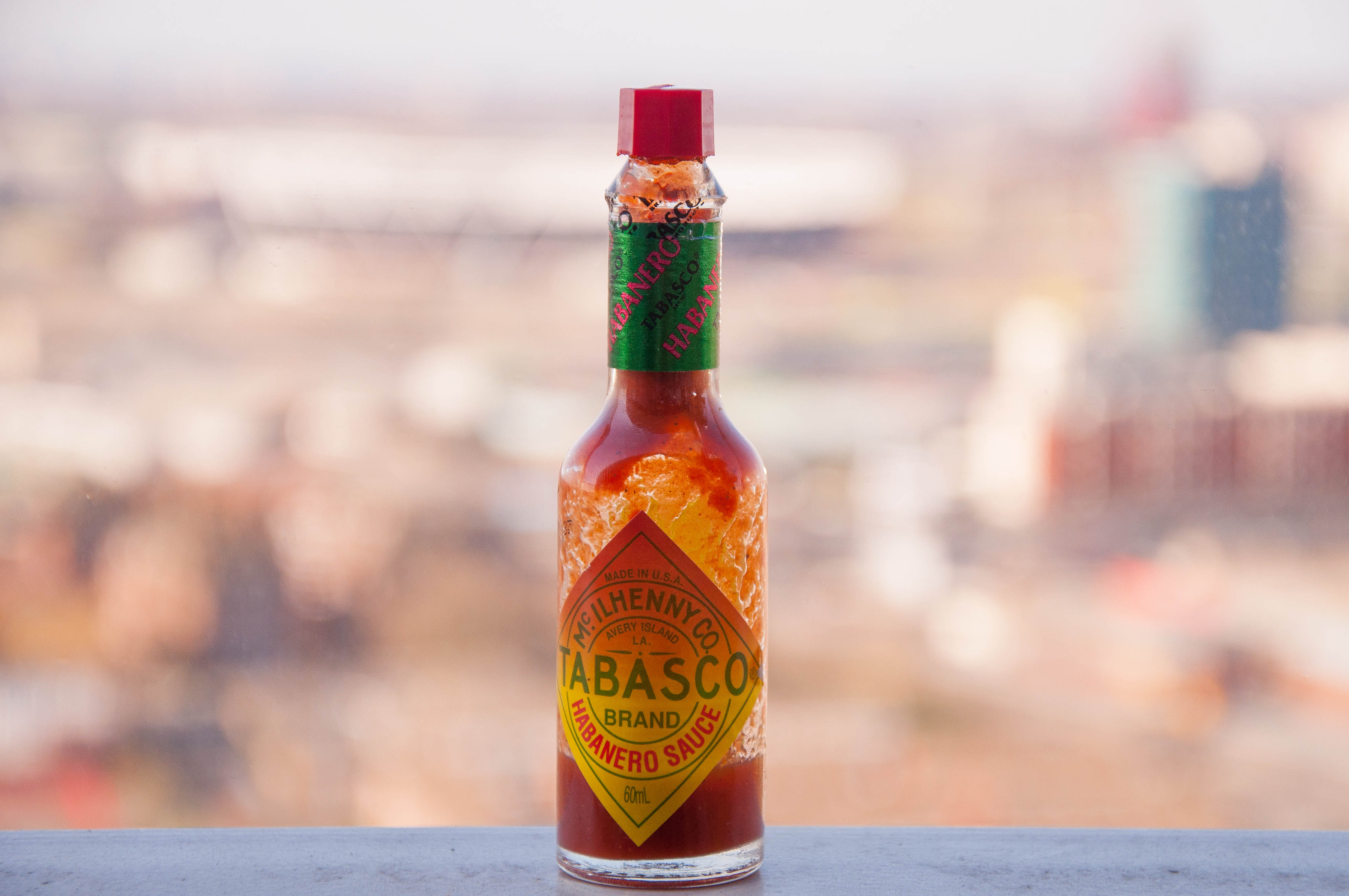
  • 1-2 tbsp hot Tabasco
  • 2 tbsp smoked paprika
  • 1 tbsp chilli powder
  • 3 tsp dried oregano
  • 1 tbsp chopped lemon thyme
  • 1 tsp caster sugar
  • 1 lime, zest and juice

For the spicy rice

  • 300g of cooked rice
  • 1 green pepper
  • 1 red pepper
  • 1 brown onion
  • 3 sticks celery
  • ½ bunch spring onions
  • a large handful of sugar snap peas
  • 3 tbsp tomato puree
  • 1 tbsp smoked paprika
  • 1 garlic glove

DSC_0355

DSC_0389

Preparation method:

  1. Rub chicken with garlic, oregano, rosemary, salt, sugar, lemon zest, and pepper. Place in a resealable plastic bag. Add thyme, seal bag, and chill at least 12 hours and up to a full day.
  2. To make the piri-piri sauce, preheat the oven to 180C/350F/Gas 4. Place the chillies on a roasting tray and roast them for 10 minutes.
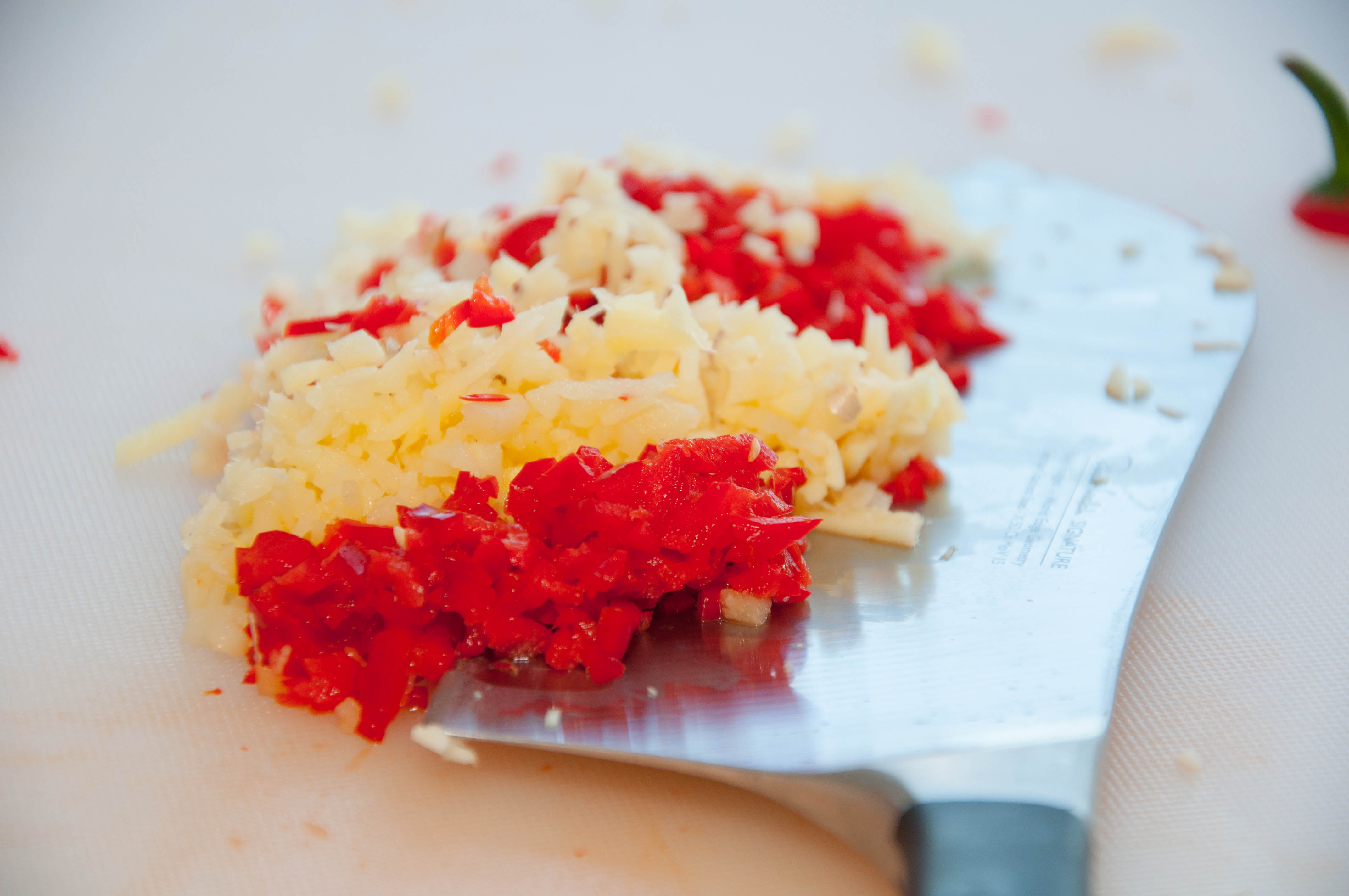
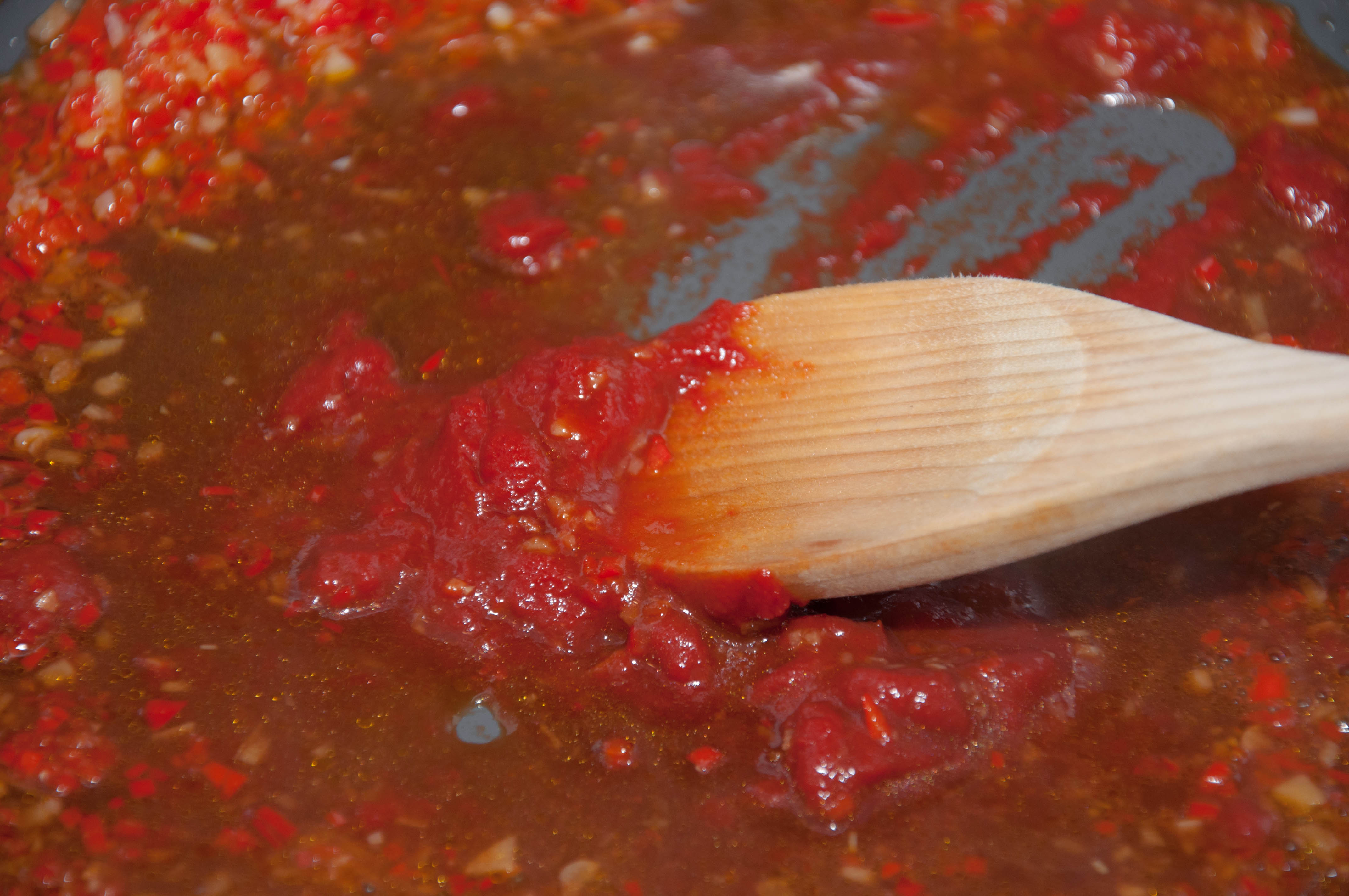
  3. Cool and finely chop the chillies. Heat some oil in a large pan. Place the rest of the ingredients for the sauce in the saucepan, and simmer for 5 minutes.
  4. Allow the mixture to COOL. Very important – unless you’re a fan of E.coli and salmonella bacteria
  5. You can use a large mortar and pestle or a blender to turn the mixture into a more paste like consistency, though its not vital. I didn’t.
  6. Spatchcock the chicken – remove the chicken’s backbone, then break the breast, whilst flattening out the chicken. Spatchcocking the chicken allows it to roast quicker in the oven, at a high temp, and crisp up the skin better. If you’re unsure how to spatchcock a chicken, just use one of the many tutorials available on the web. Add half the piri-piri sauce, spreading it evenly over the chicken. Seal with cling film and marinate in the refrigerator for 2-4 hours.
  7. Preheat the oven to 200C/390F/Gas 6, AND preheat a large griddle or sauce pan on the hob.
  8. Season the marinated chicken, and cook it on the pan for 2-3 minutes on each side, until the skin is golden brown.
  9. Transfer the browned chicken to a roasting tray with a rack. Pour the cider and red wine into the bottom of the roasting tray. Peel and quarter the red onions, then scatter in the roasting tray. Cover in foil and roast in the oven for 20 minutes.
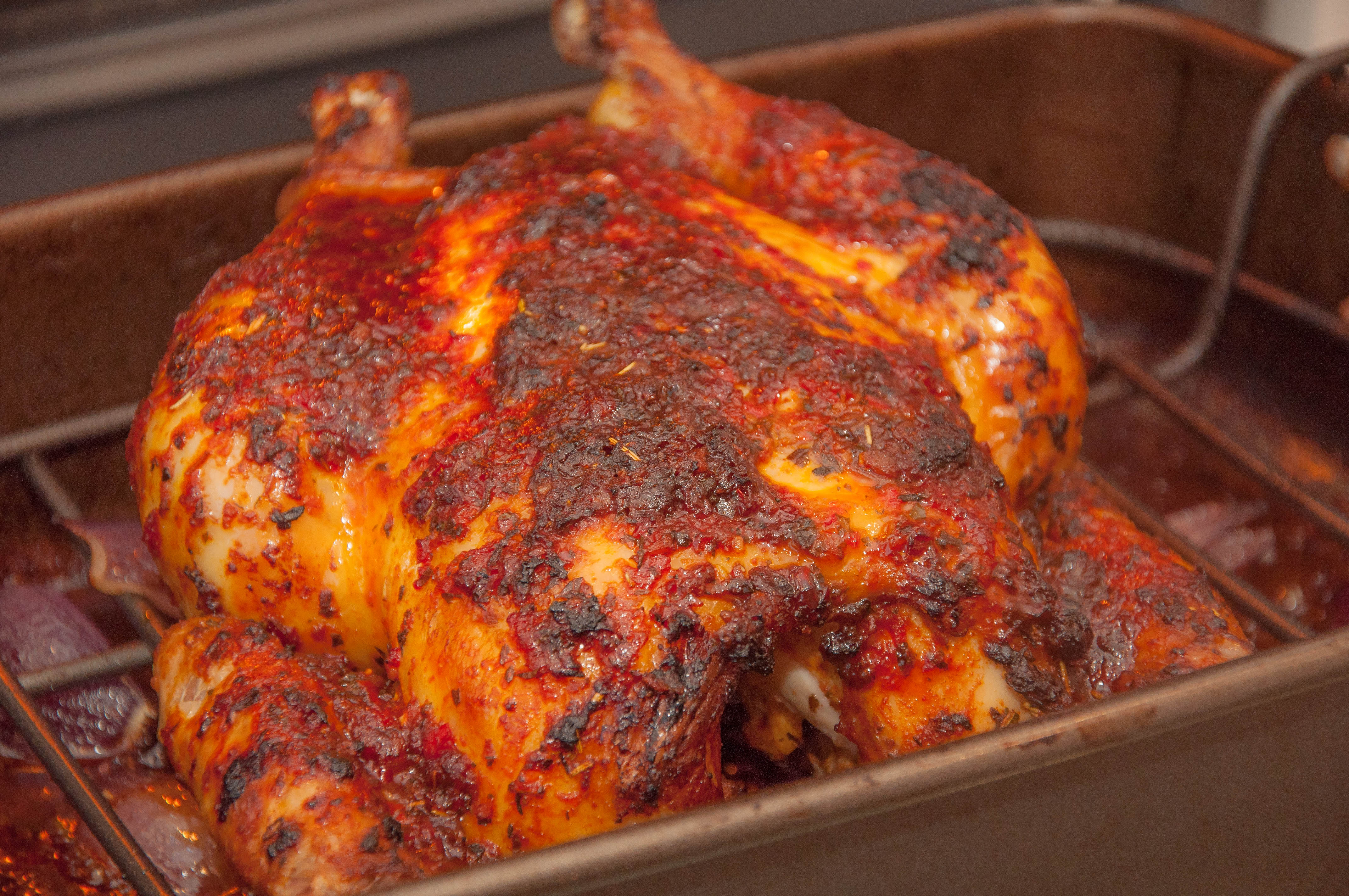
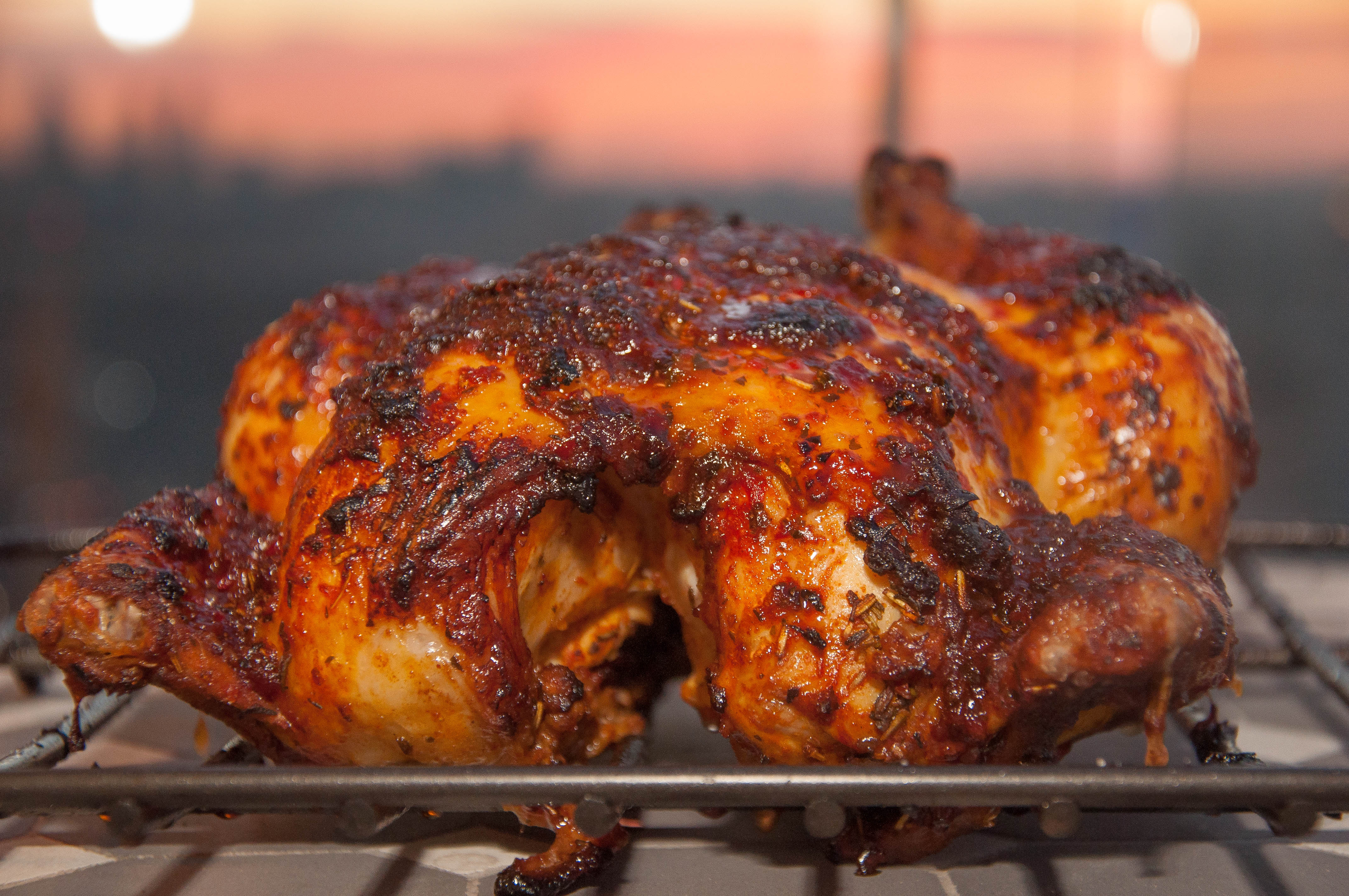
  10. After twenty minutes remove foil, scatter a tbsp of caster sugar over the top of the chicken and increase temp to 250 for around 10 minutes to crisp up the skin, until an instant-read thermometer inserted into the thickest part of thigh registers 165°F / 72C° and the juices run clear.
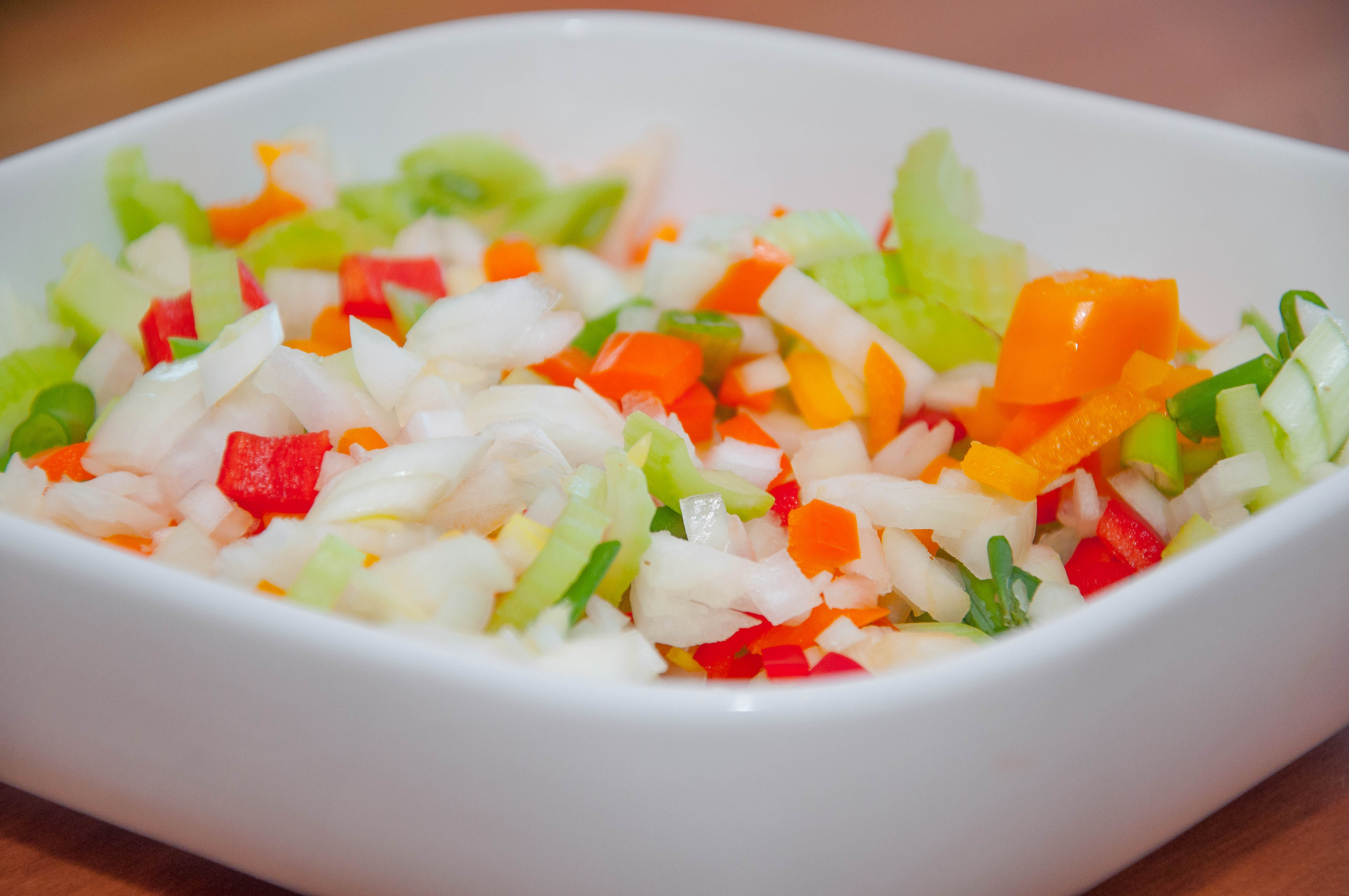
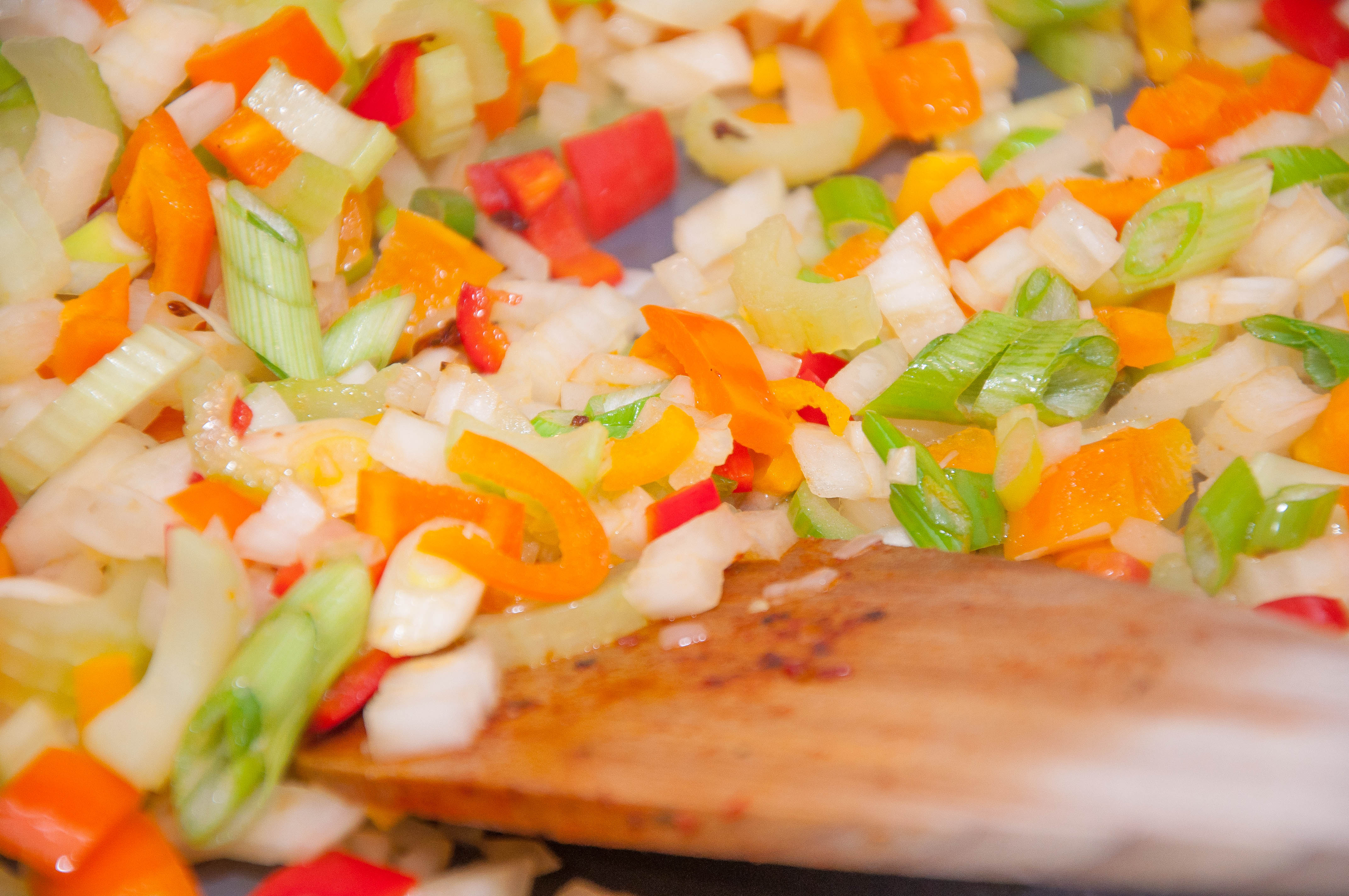
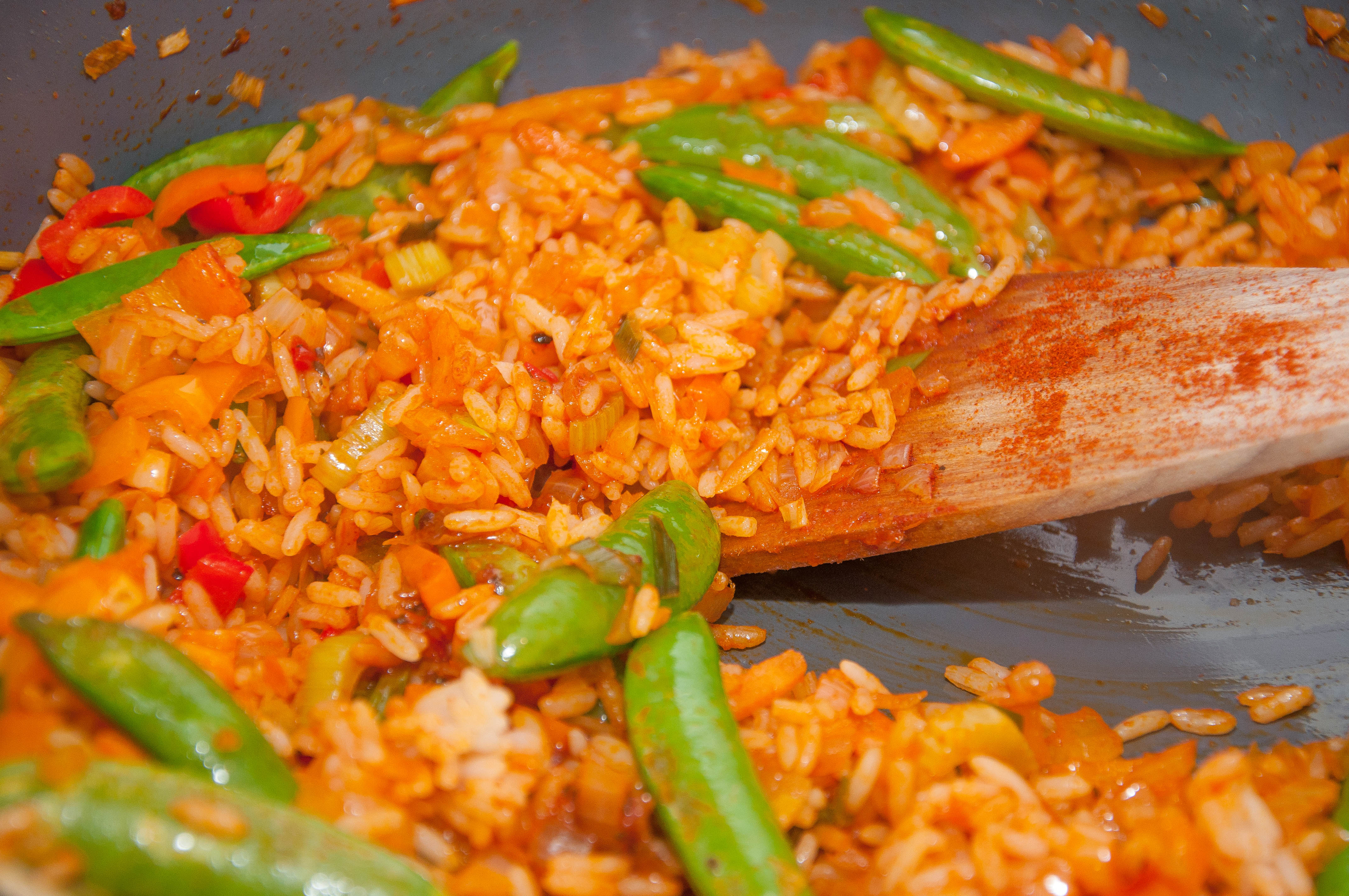
  11. For the rice – heat a little oil in a large frying pan. Fry the onions until browned. Cook the peppers, celery and white parts of the spring onions for 5 mins. Finely slice and chop the garlic and ginger then add to the pan.
  12. Tip in the purée and paprika, stir, then add the cooked rice, breaking up with a wooden spoon so all the grains are coated well. Use a high heat and scrape any that sticks off the bottom so you get some soft and some crispy parts. Heat until piping hot. At the last moment add the sugar snap peas and cook everything, stirring regularly, for around 3 minutes.
  13. Scatter the green parts of the spring onion on top and set aside briefly.
  14. Back to the chicken – Once cooked, carefully lift the chicken from the roasting tin onto a plate and cover it loosely with foil so it can rest and become juicier.
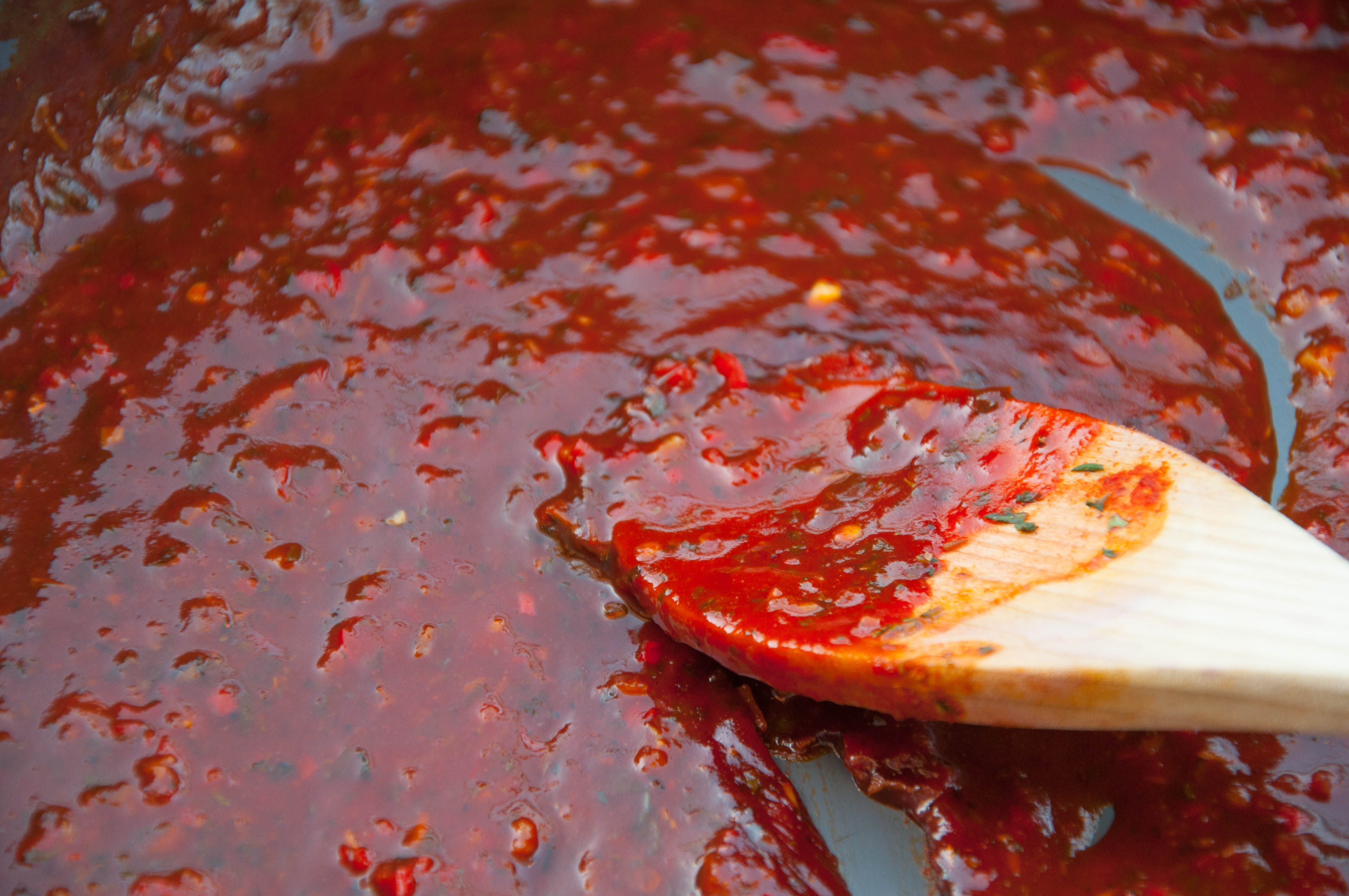
  15. Now to make some more Piri Piri sauce to serve with the chicken. Carefully pour the oil out from the roasting tin, leaving the juice and sticky bits behind. Put it on a medium heat and add the onions, the rest of the prepared sauce mixture, some chopped tomatoes and the cider, stock and red wine. Allow to simmer and reduce for a some minutes, scraping up all the sticky bits from the bottom.
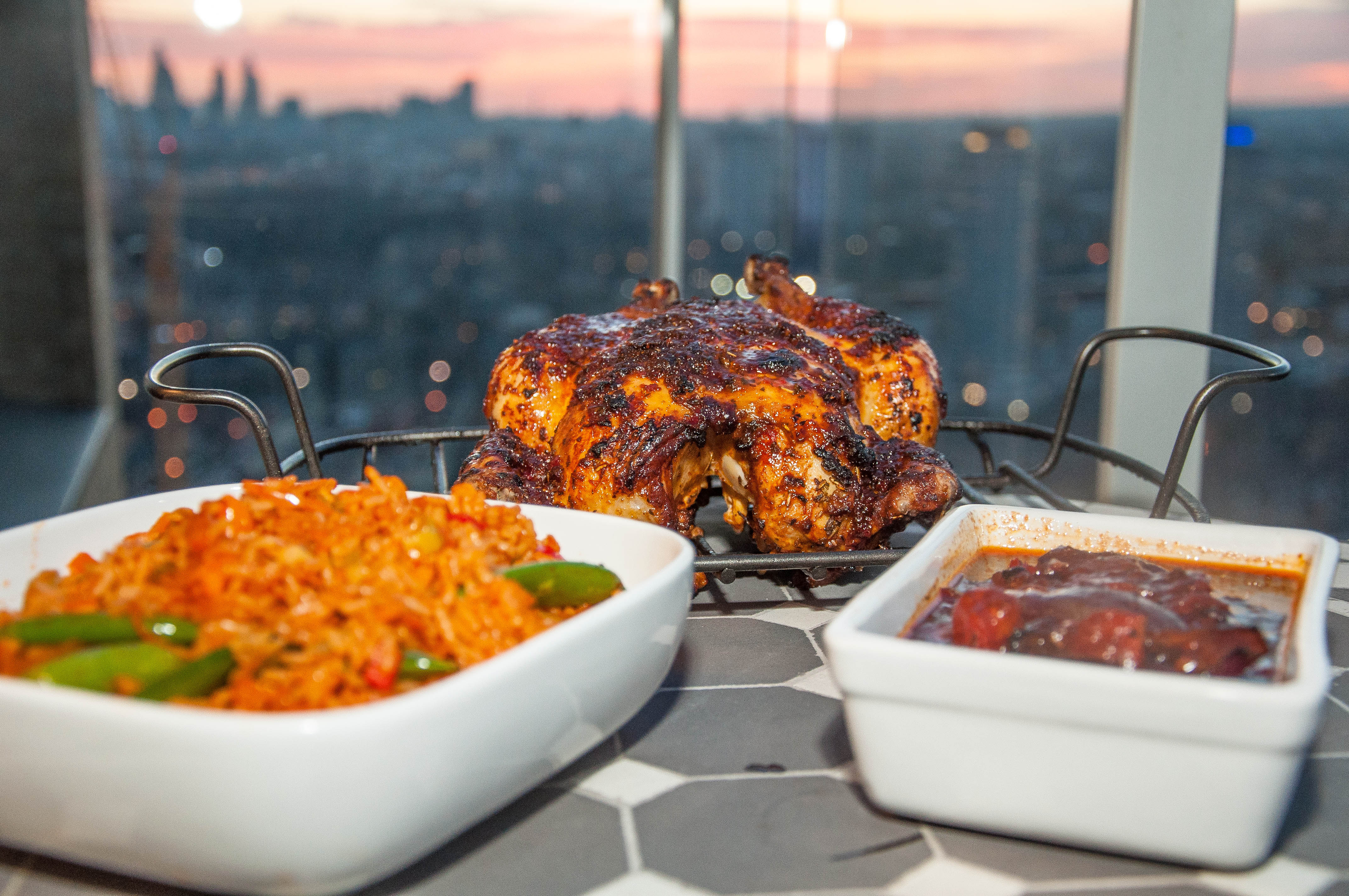
  16. Returning to the chicken, pour any juices on the plate into the sauce before carving the meat. Arrange on serving plates with the roasted Piri Piri sauce and a helping of the spicy rice.

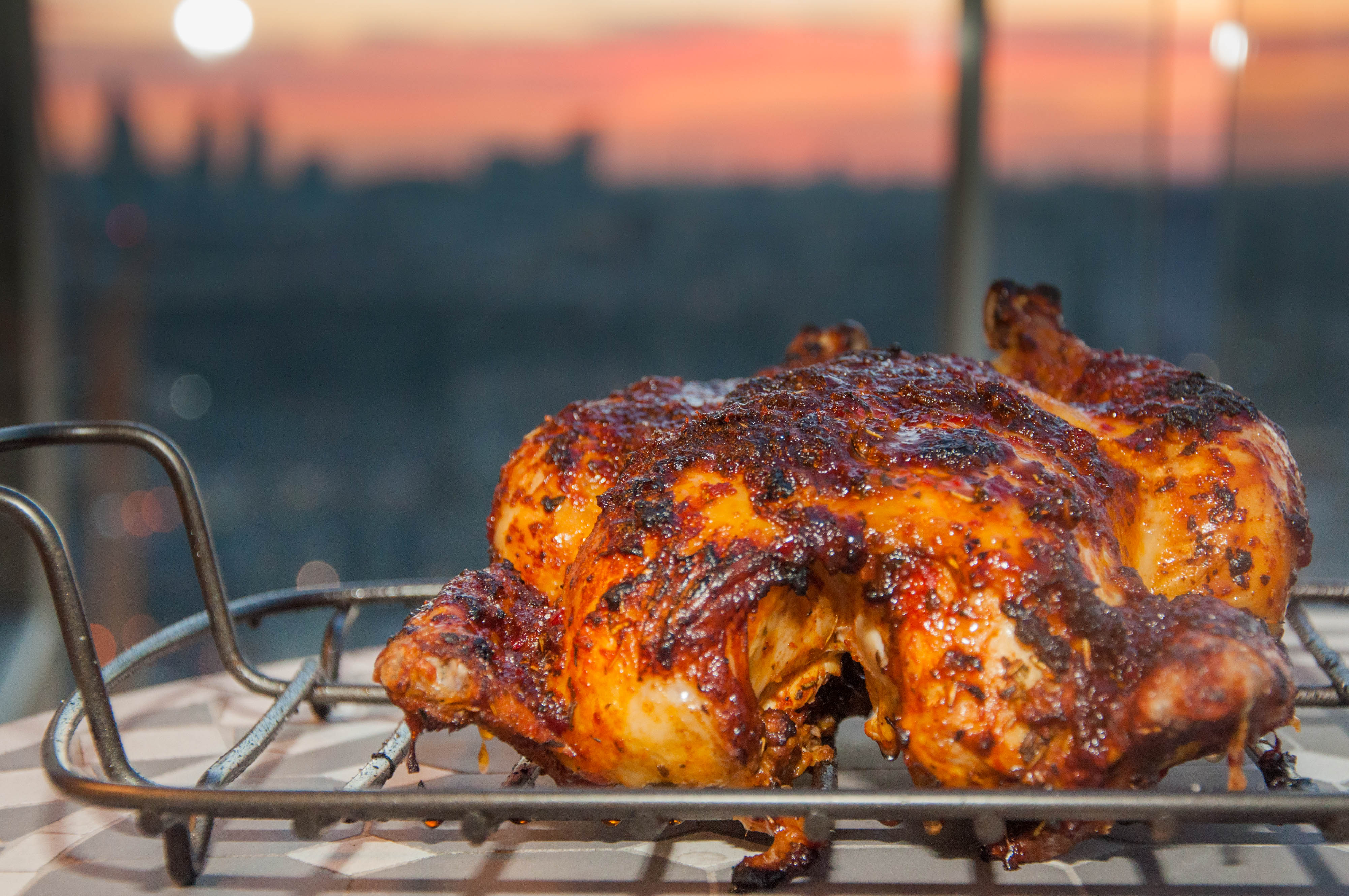
MUSIC I COOKED TO:
DSC_0257DSC_0083DSC_0088DSC_0092DSC_0111DSC_0100DSC_0129DSC_0134DSC_0140DSC_0151DSC_0157DSC_0169DSC_0175DSC_0176DSC_0191DSC_0181DSC_0201DSC_0202DSC_0211DSC_0330DSC_0271

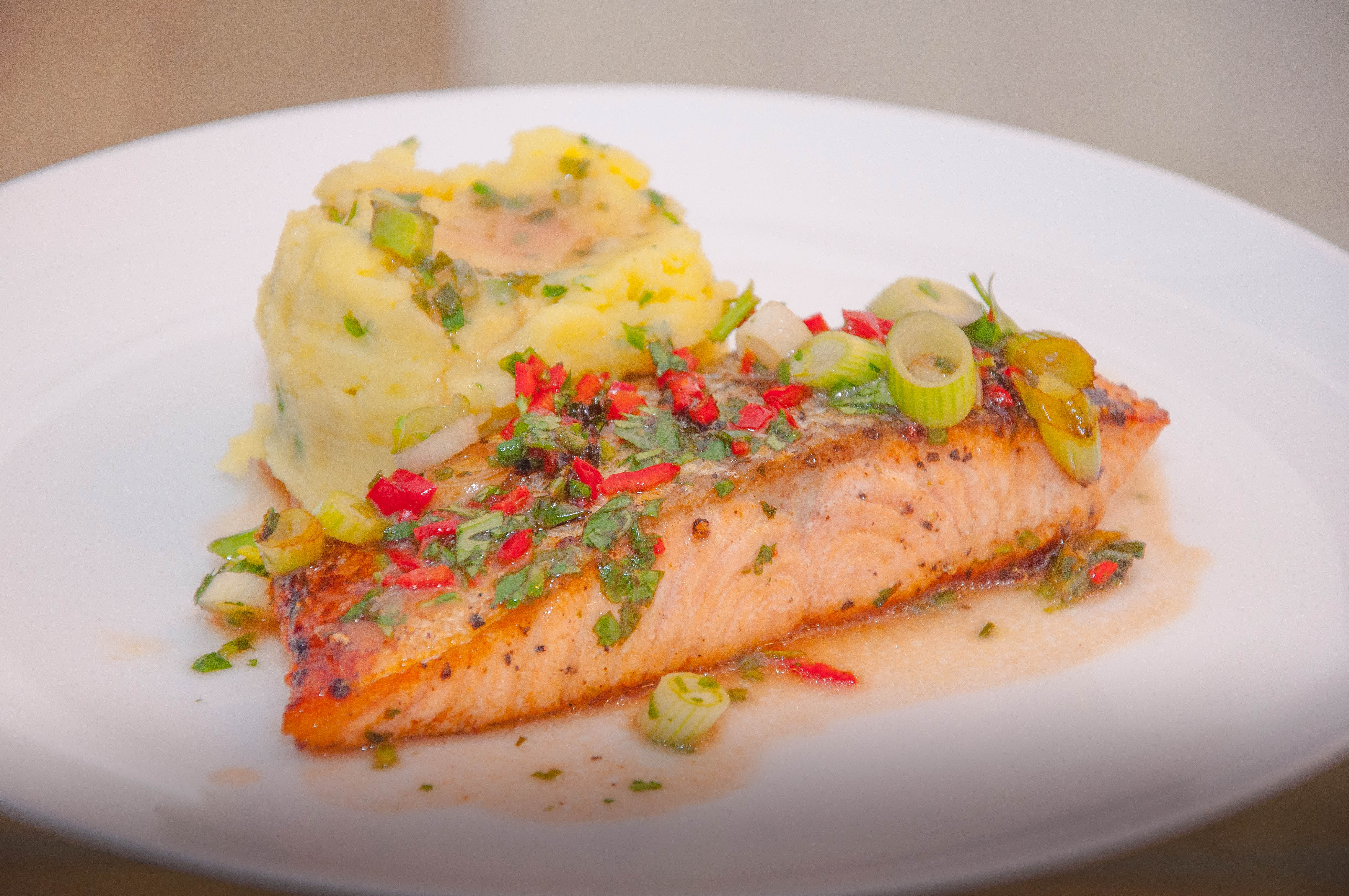
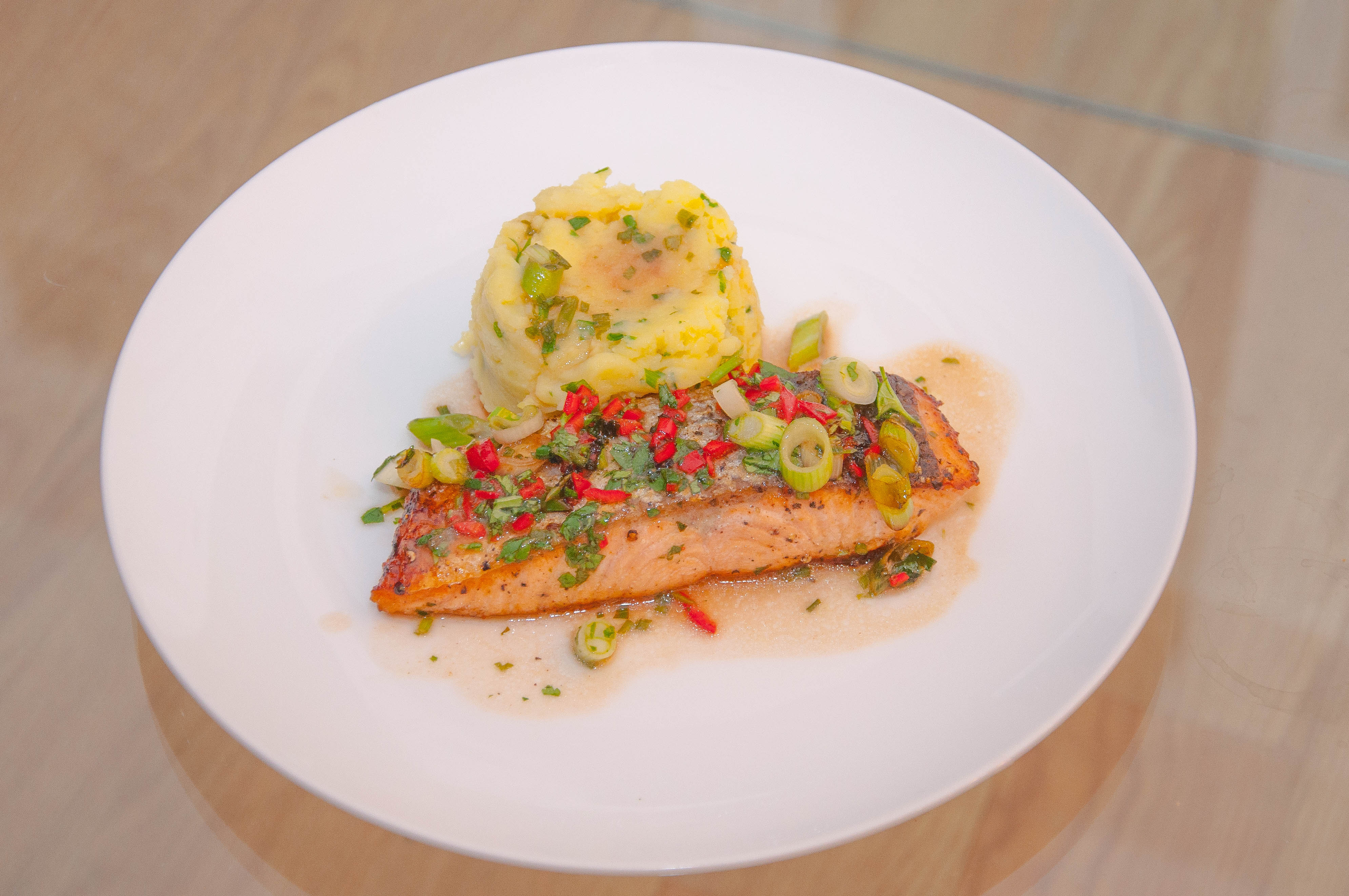
Pepper Seared Salmon with Lemon and Spring Onion Vinaigrette & Chive Crushed Potatoes

DSC_4041

RECIPE_INFO_0003

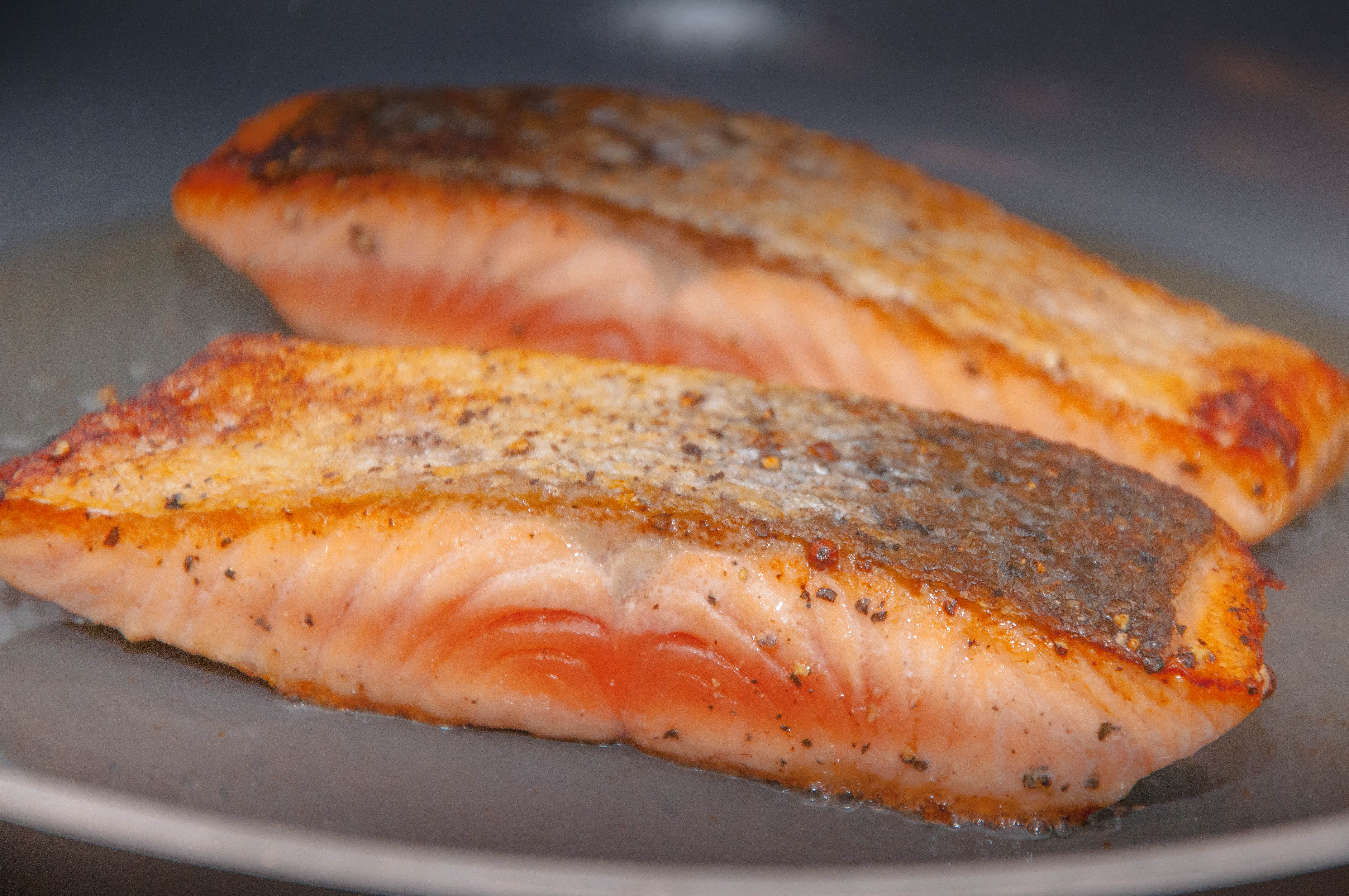
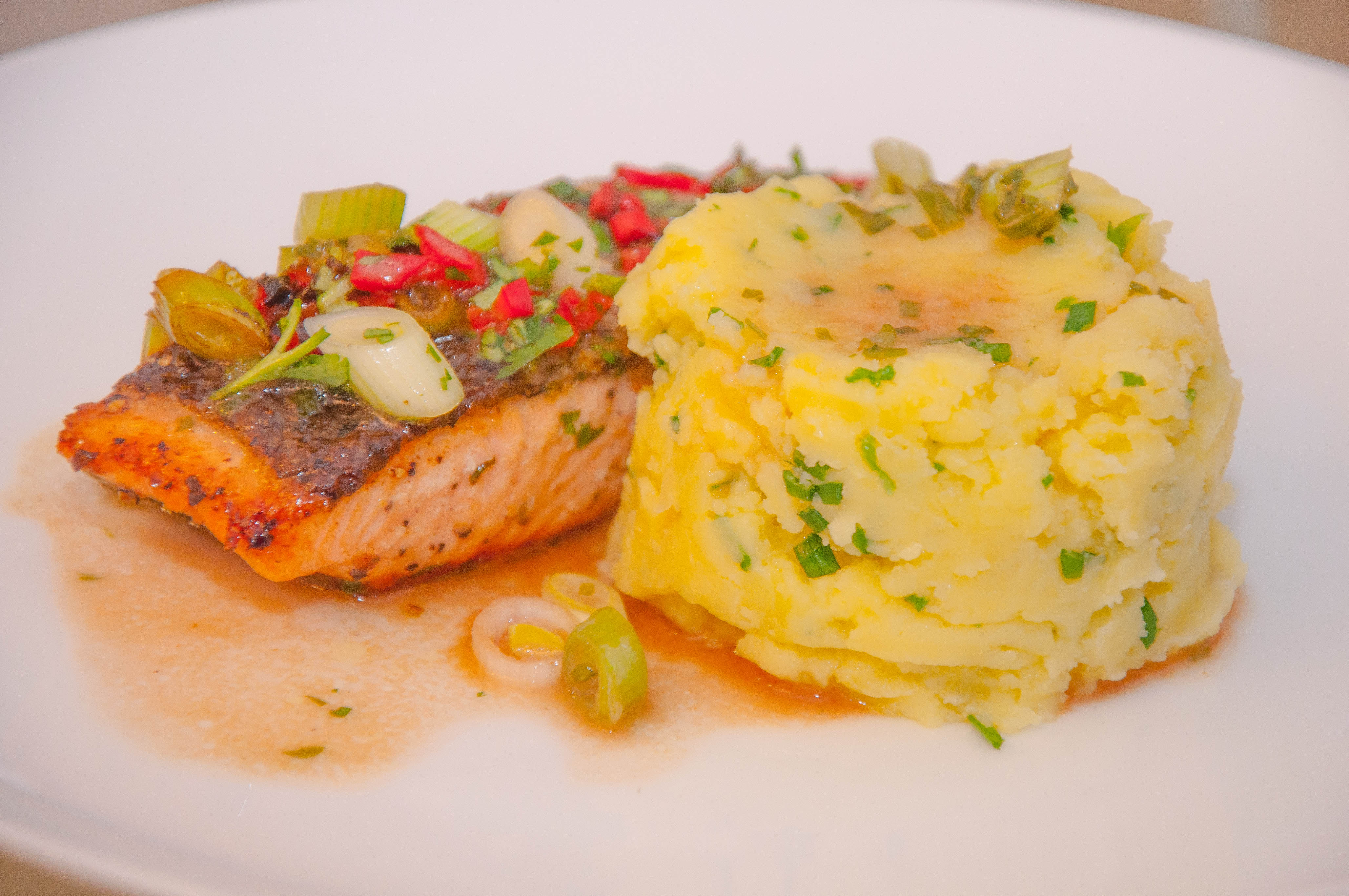
So this was a bit of mid-week inspriration and improvisation, but it seems to have worked. It is pretty quick and easy to put together in discreet stages which makes it good for people that hate multitasking. It also makes it a great mid-week evening meal, thats pretty light and healthy (apart from the copious amounts of butter in the potatoes). The dish has a multitude of great, strong flavours – though none to overpowering (go easy with the chilli though as adding too much will kill everything else). Make sure you don’t skimp on the butter and chives in the crushed potatoes as otherwise they’ll end up being blander than a party political TV broadcast. Also the vinaigrette gives this dish a nice sweet, acidic undertone and adds some much needed moisture, which stops the dish being too dry and stodgy. The Salmon in this dish could easily be swapped out for pretty much any other fish that does well being pan-fried… Just make sure you adjust the cooking times accordingly. Sea Bass and Mackerel were options I considered eventually being decided by what was in the fridge. So here it is, a slightly spicy, fresh, zesty, colourful  and easy Salmon dish to knock up should you wish –

DSC_4040

INGREDIENTS

For the Salmon:

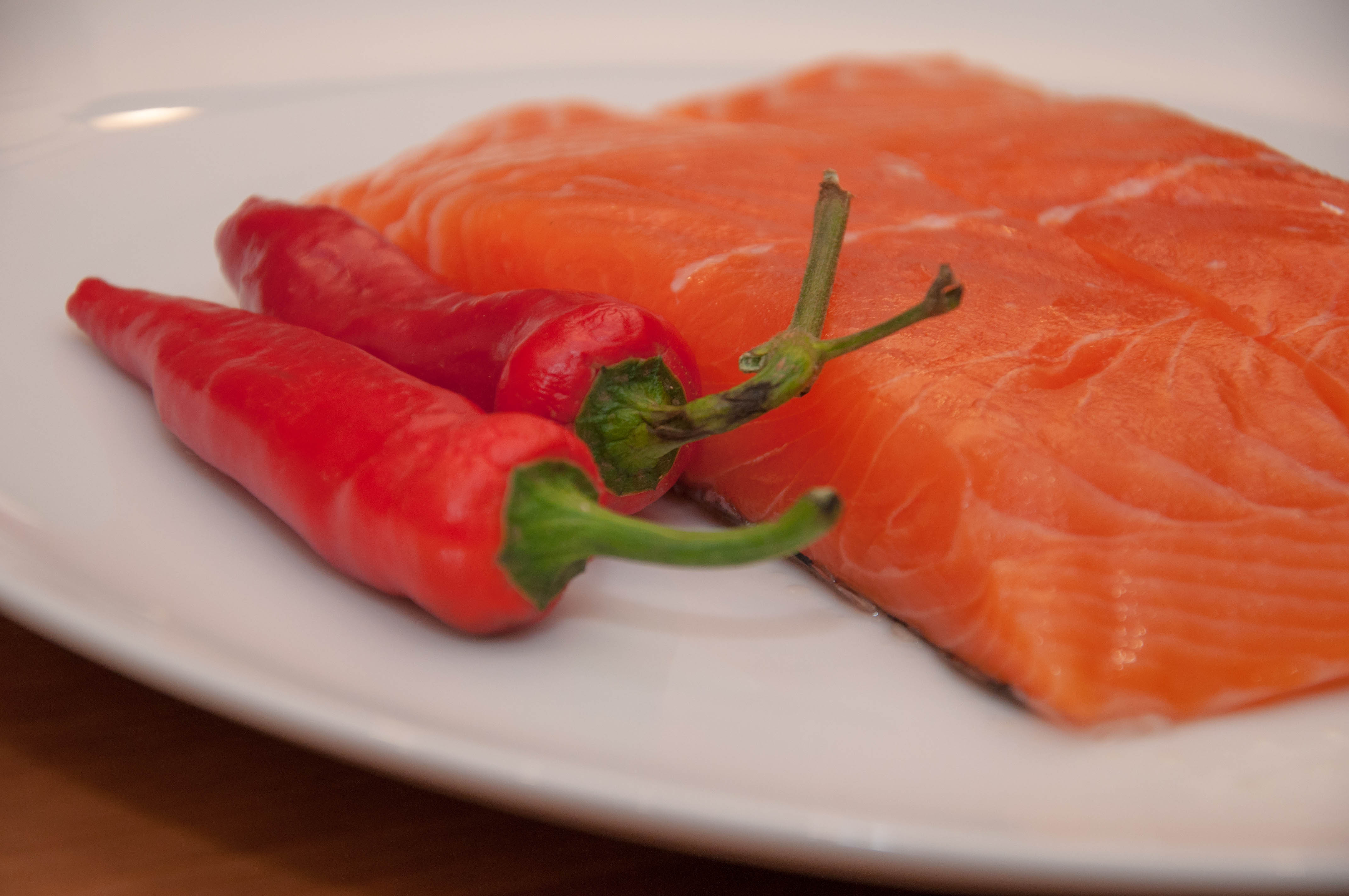
  • 2 large salmon fillets
  • 1 bunch of spring onions
  • 1 handful of coriander leaves
  • 2 limes
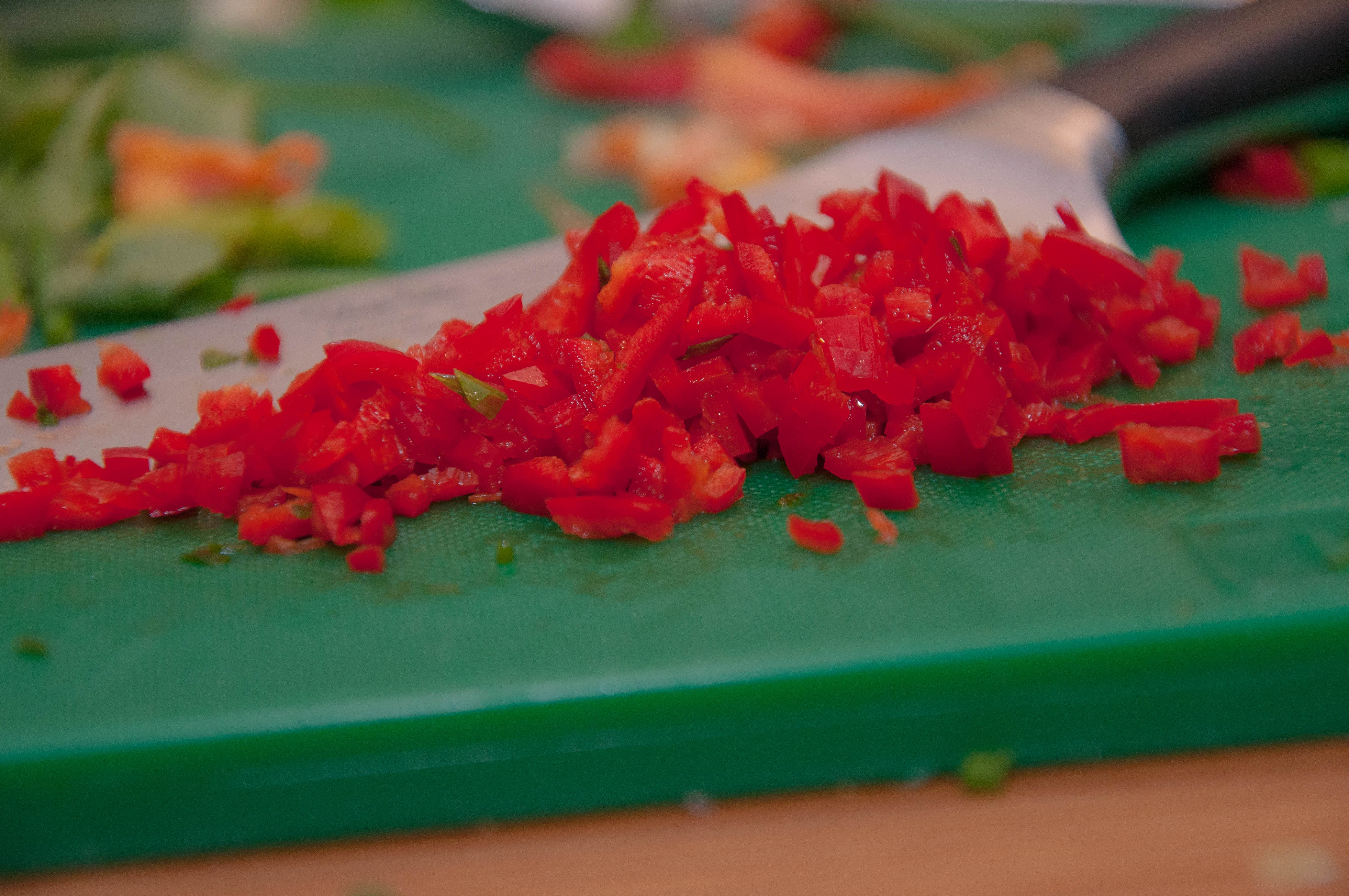
  • 2 red chillies
  • olive oil
  • salt
  • fresh ground black pepper

Lemon, Spring Onion Vinaigrette:

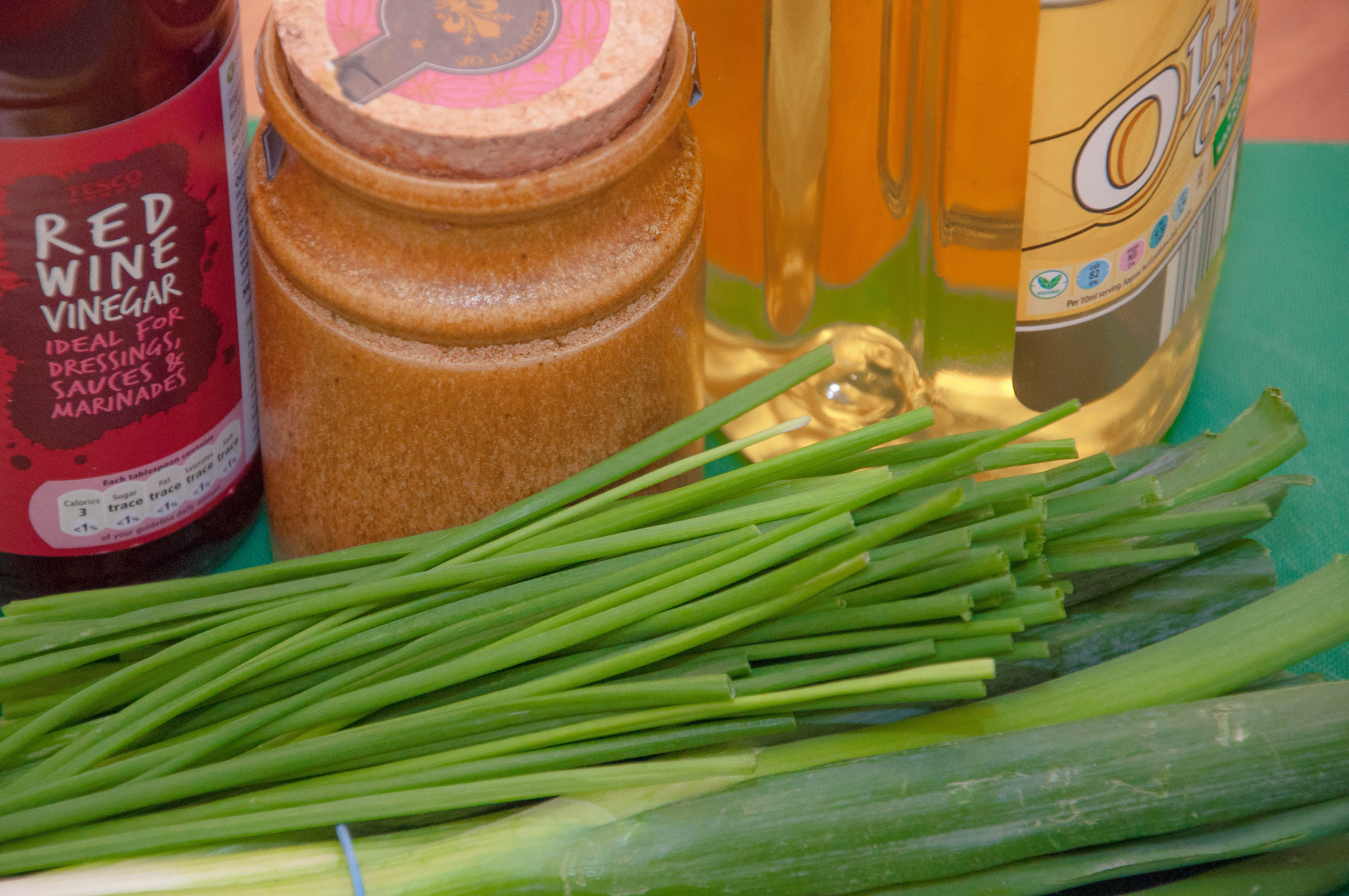
  •  60ml red wine vinegar
  • 1/4 cup fresh lemon juice
  • 1 heaped tbsp dijon mustard
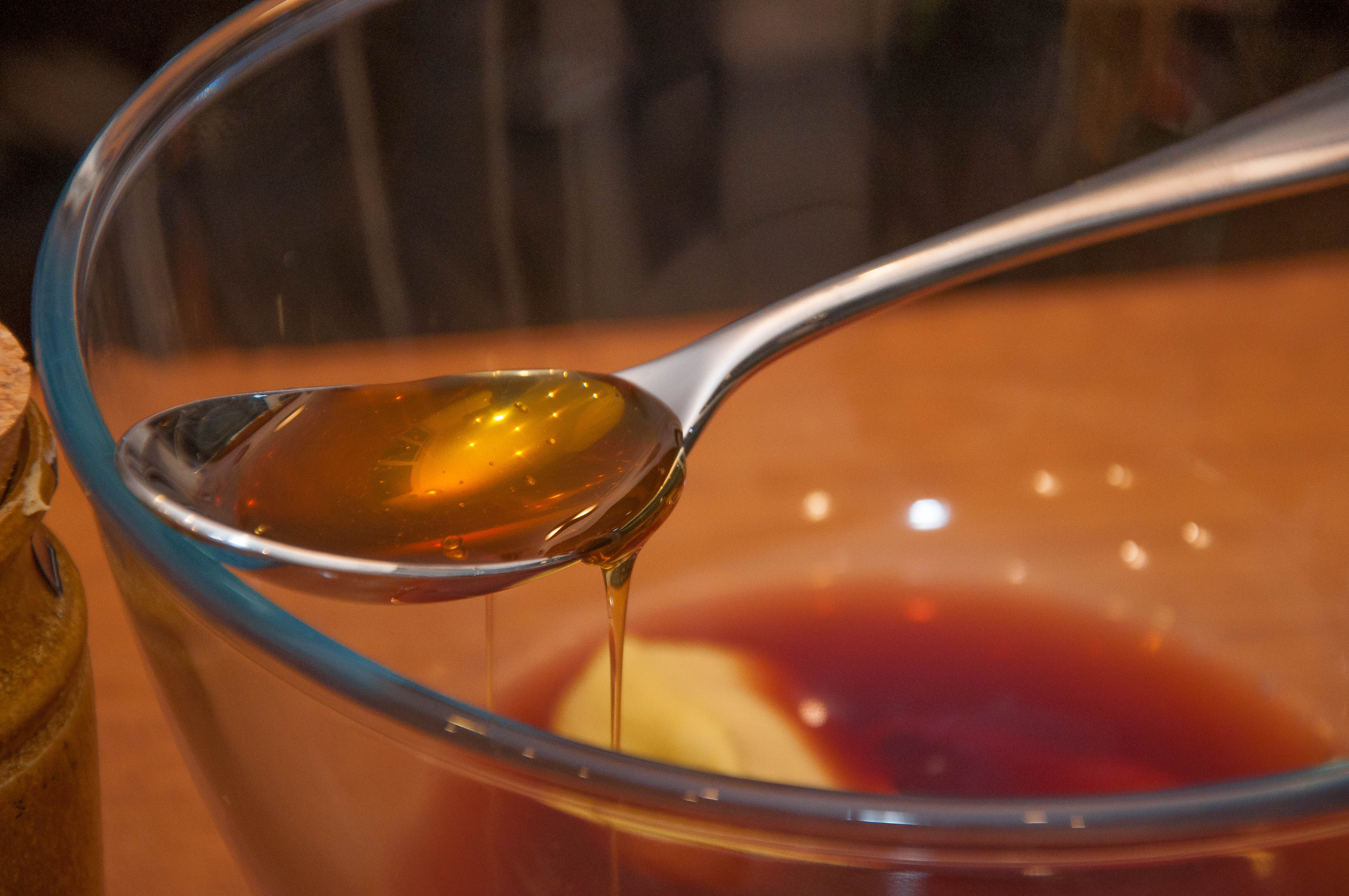
  • 1 tbsp honey
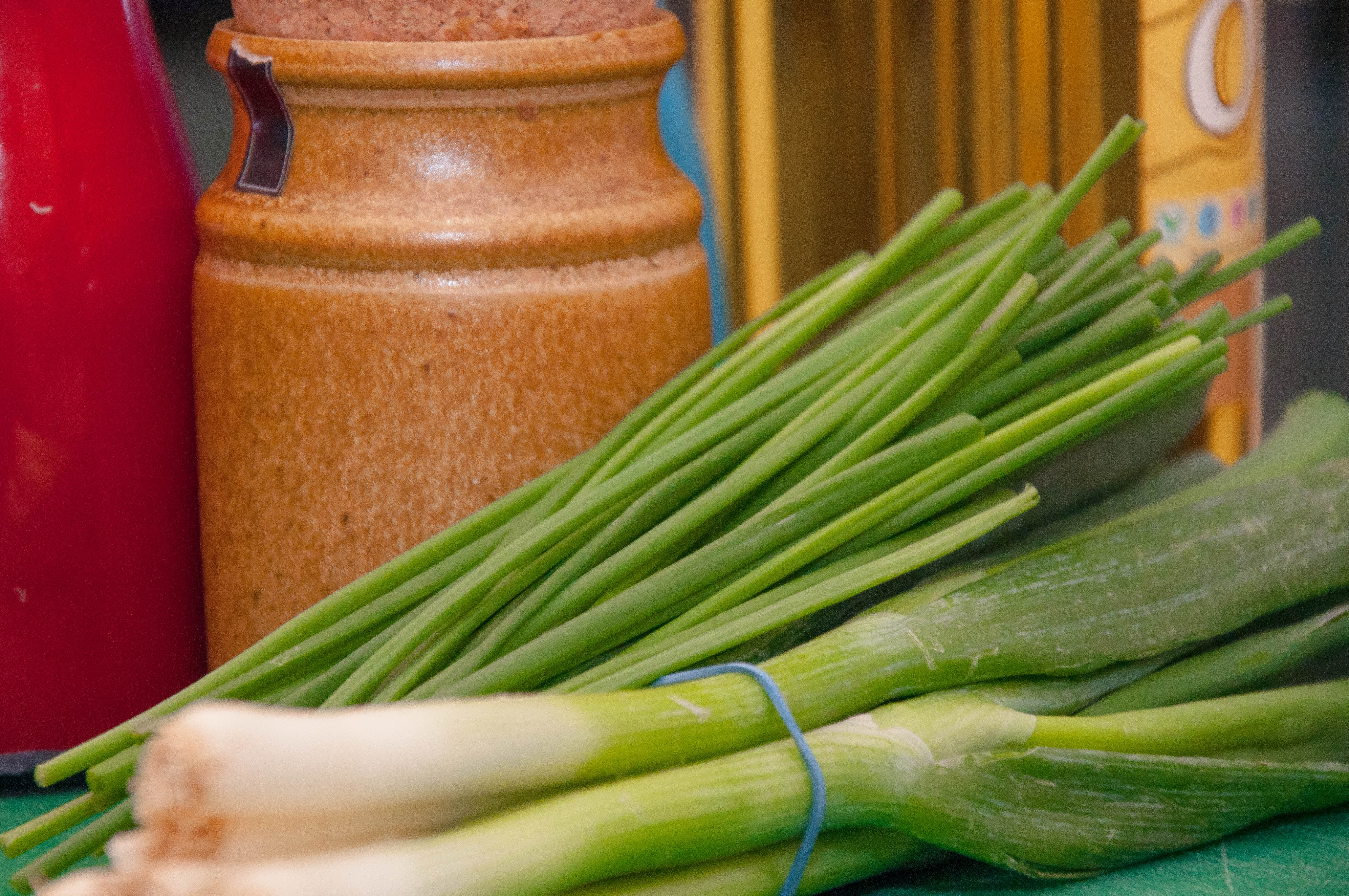
  • 2 tbsps chopped chives
  • Salt and freshly ground black pepper
  • 150ml extra vrigin olive oil
  • 50g of sliced spring onions

Crushed Chive Potatoes:

  • 8 new potatoes
  • 1 bunch chopped chives
  • 100 g butter (melted)

DSC_4043

Preparation method

  1. Cover the potatoes with salted water and simmer until cooked (approximately 30 minutes).
  2. Crush with a fork and add butter into the centre of the potato. Cover the butter with crushed potato and leave to melt. Once the butter has melted stir and crush the potatoes until the butter is evenly distributed. Add the chives and stir in, then set aside. Be carful when crushing the potatoes to not be too vigorous and to leave them some texture – these are crushed potatoes, NOT mashed.
  3. Whisk together the red wine vinegar, mustard, honey, lemon juice, chives, and salt and pepper, to taste, in a medium bowl until combined. Slowly whisk in the oil until emulsified. Stir in the spring onions and set aside.
  4. Just before cooking the fish, pick the coriander leaves from their stalks and chop them finely.
  5. Heat a non-stick frying pan on a high heat and add a generous film of olive oil.
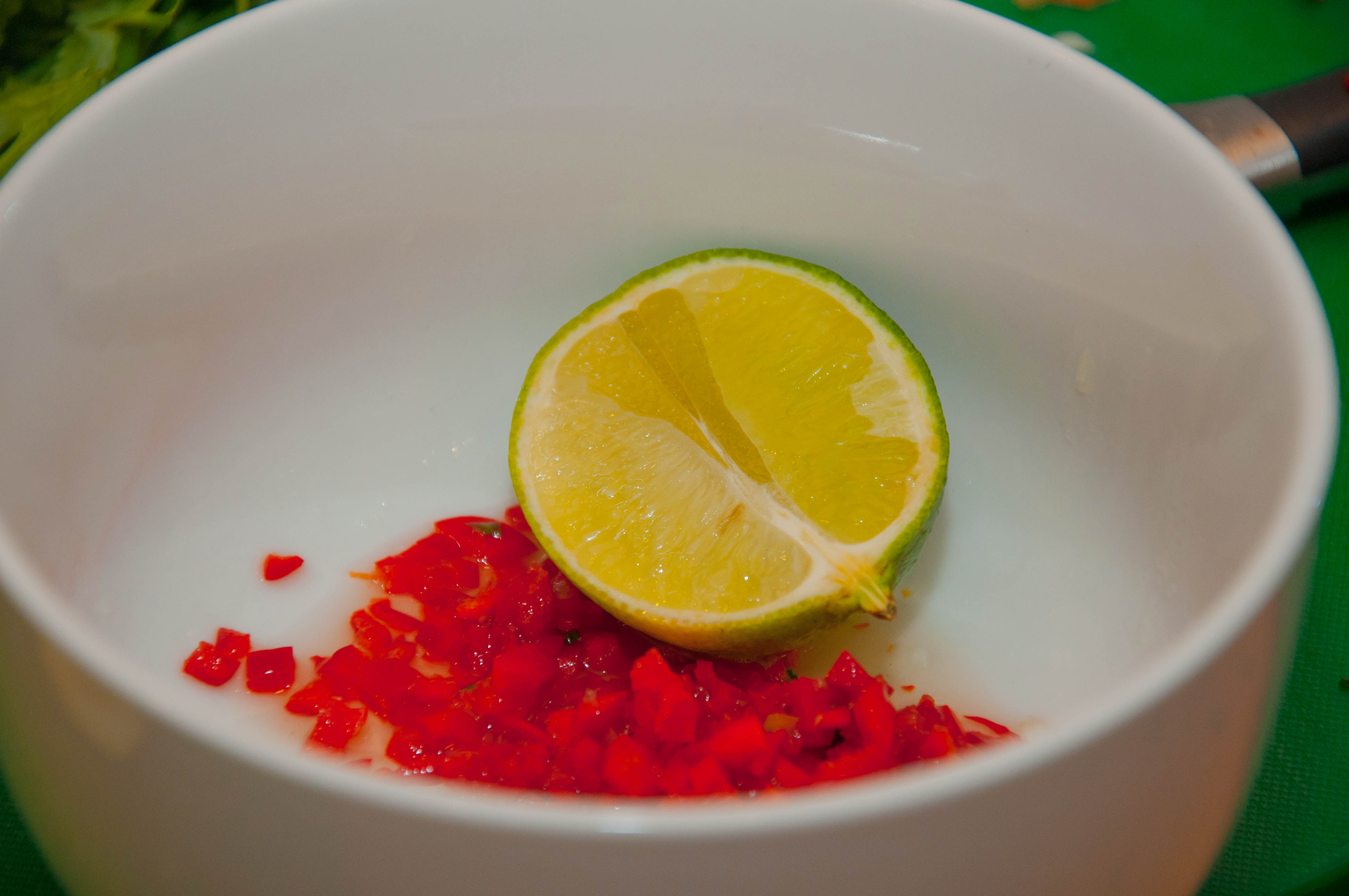
  6. While waiting for the heat to rise, cut the limes in half, squeezing the juice over the chilli along with two tablespoons of olive oil.
  7. Toss well, adding the coriander and half of the spring onion.
  8. Season the fillets of Salmon with salt all over, then press into black pepper and place them in to the hot pan, skin side down.
  9. Sear the fish on the skin side until crisp, which should take about 2 minutes. Be careful not to burn them though.
  10. Squeeze a little lime juice over the fillets then turn them over carefully, be gentle and confident or you’ll break the fillet. Turn the heat down to medium and cook the fish for another 4 minutes.
  11. Add HALF the spring onion/chilli/coriander mixture and fry it off for 30 seconds, then carefully lift the fillets out on to a plate lined with kitchen paper.
  12. Place a salmon fillet on the plate then scatter the rest of the spring onion and chilli mixture over the top.
  13.  To serve, spoon potato into centre, sit Salmon fillet next to it, spoon over a little vinaigrette.
  14. You could finish with a good pinch of mustard cress as a garnish around the plate (but I forgot!). 🙂

MUSIC I COOKED TO:

DSC_3937DSC_3949DSC_3957DSC_3960DSC_3962DSC_3968DSC_3977DSC_3981DSC_3993DSC_4008DSC_4012DSC_4020DSC_4027DSC_4030DSC_4033DSC_4038DSC_4050

EASY BOOZY BEEF STEW WITH DUMPLINGS

DSC_3910

RECIPE_INFO_001

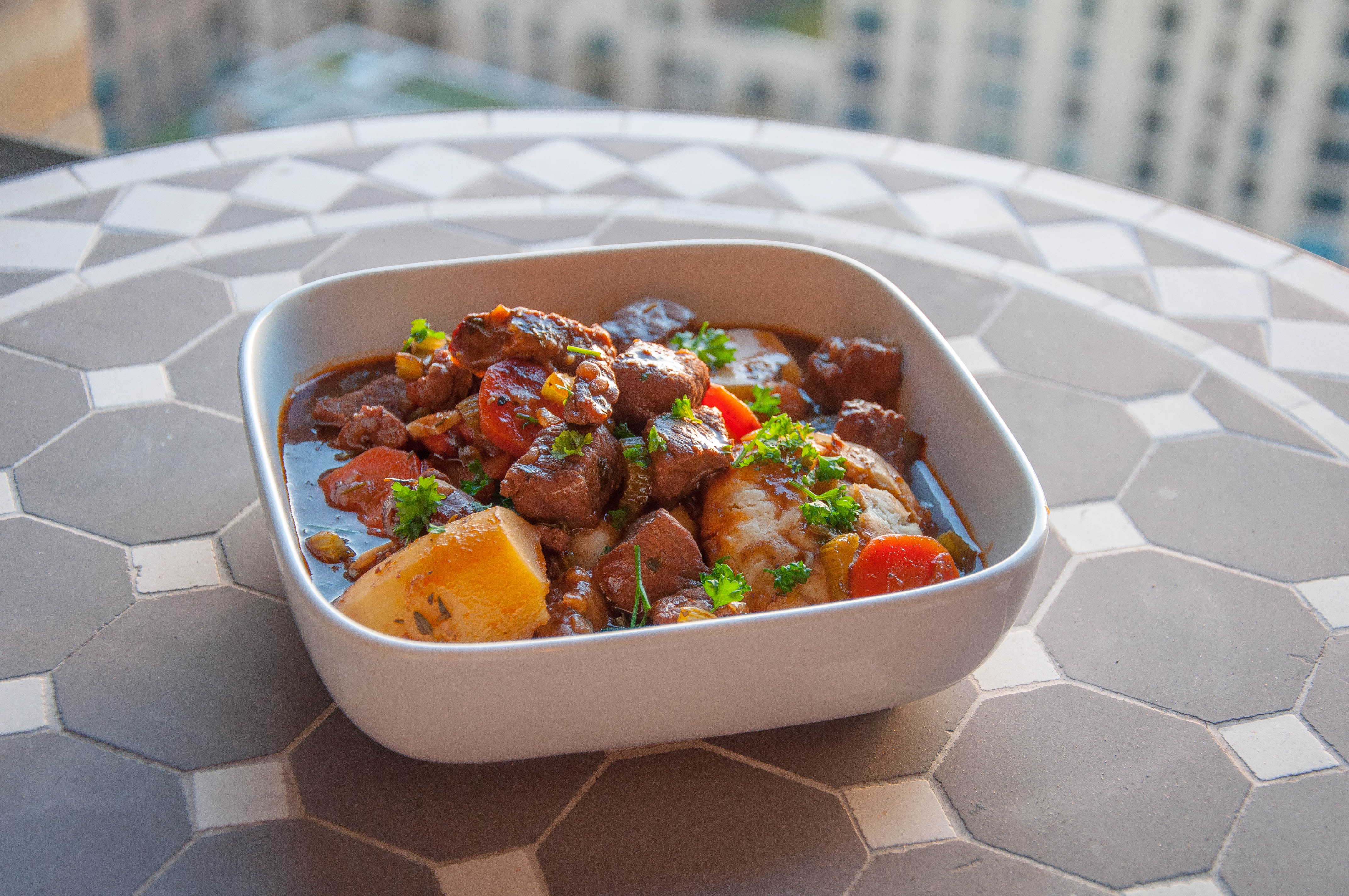
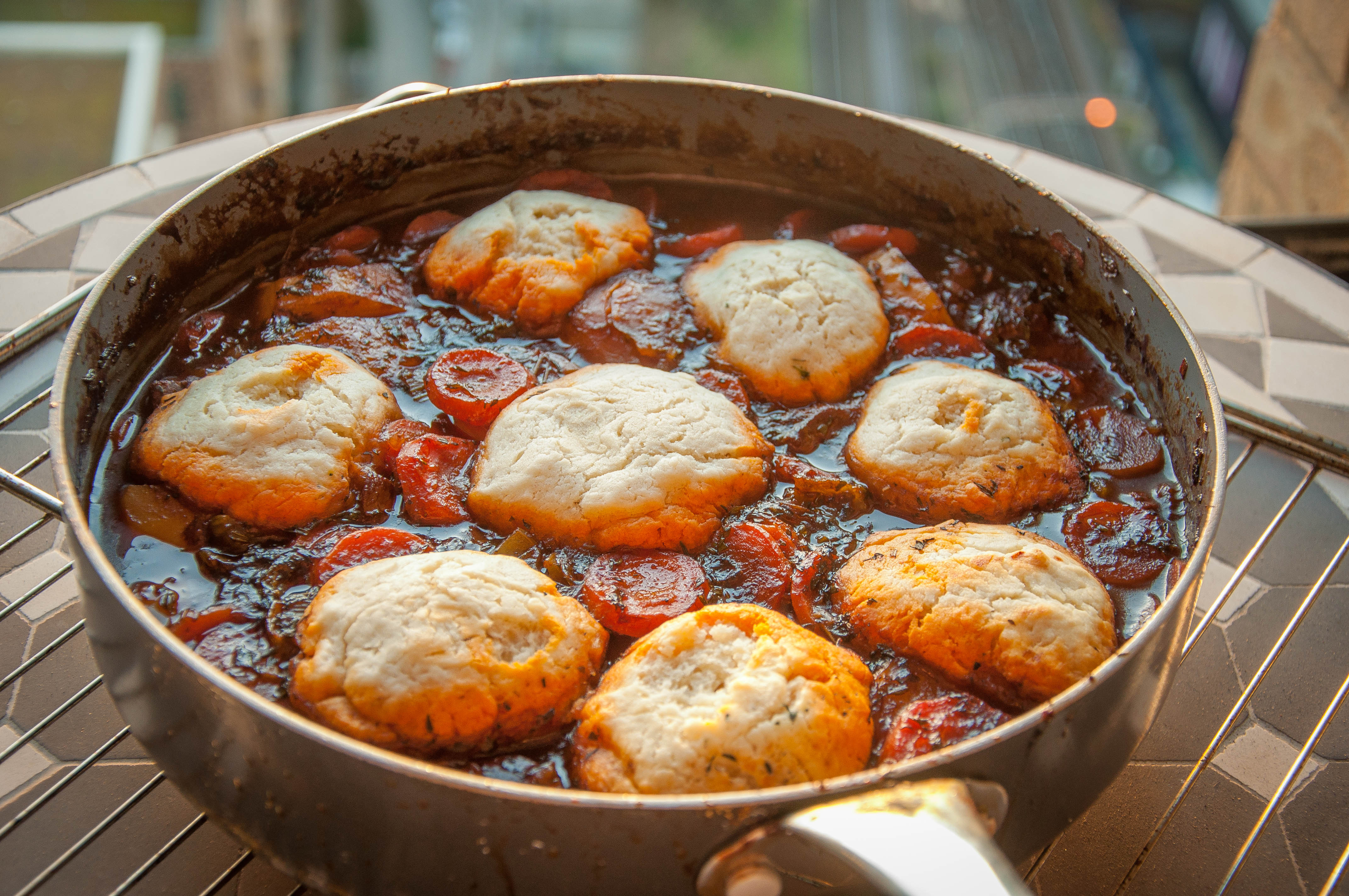
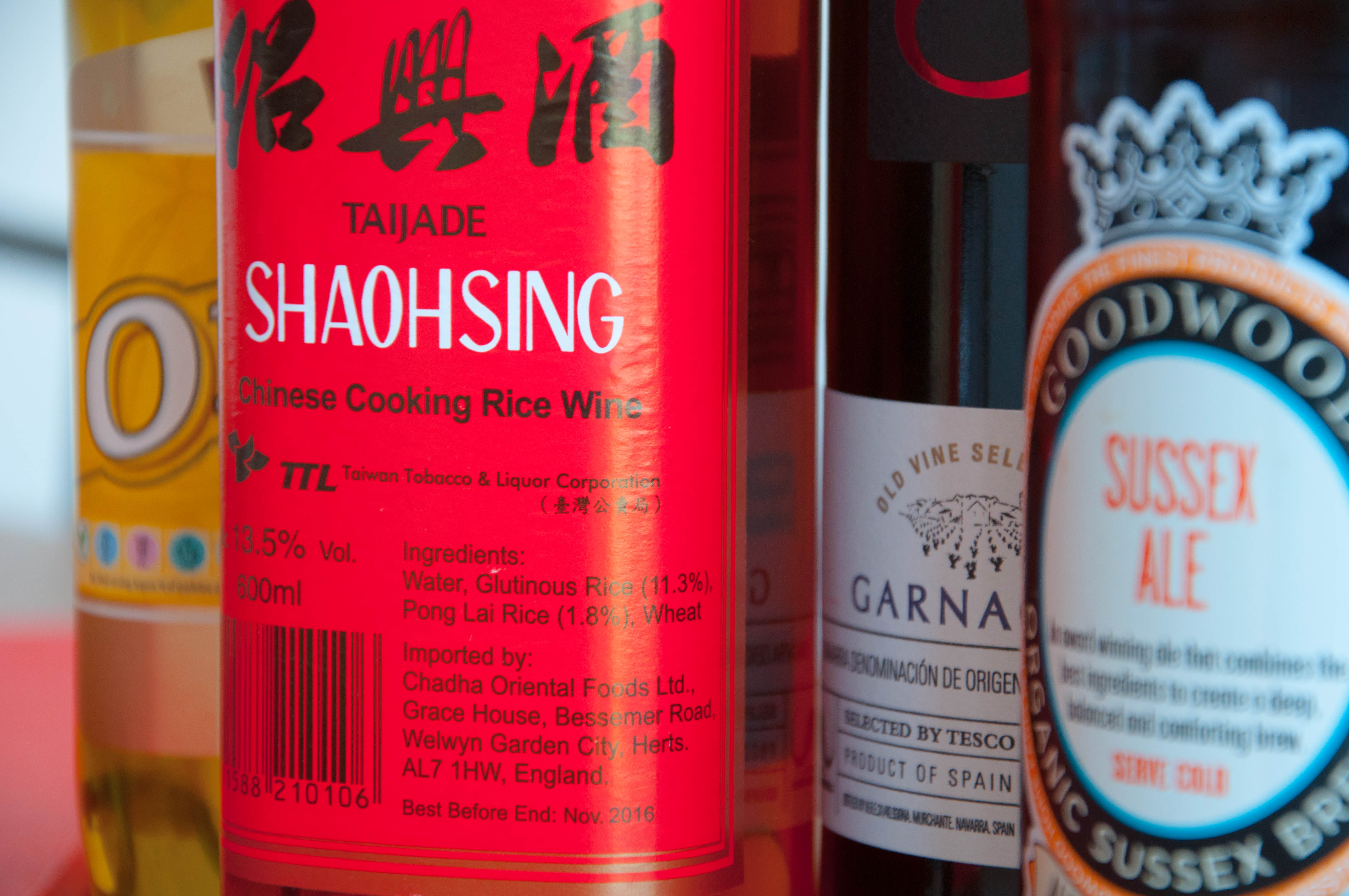
So… this is my first post in what I hope will be an informative, useful and, most importantly, tasty recipe and food blog. Hopefully I can bring you guys out there reading good hearty, well cooked, interesting food using interesting and delicious ingredients. Anyway – without any further ado, here is the first recipe – EASY BOOZY BEEF STEW. I chose something fairly simple and straight forward for the first recipe so I could explore how the blog is best photographed, written up and put together. I was unsure how much of the process to document and if you think there is too much or too little let me know. Now… I use the word ‘boozy’ in the title because the stew contains some ALE, some RED WINE and also, a little unusually, a splash of Chinese RICE WINE too. In fact this whole stew, whilst predominantly remaining a traditional, deep, bold beef stew, is slightly influenced by the fact I’m half Chinese on my mothers side. Therefore the ingredients include what may at first glance appear to be a couple strange and incongruous items. The first of which is the Shaohsing Chinese cooking wine – which I believe adds a aromatic, pleasantly sweet, and nutty taste element to the dish. The second is a small amount of light soy sauce which adds a nice earthy, depth to the sauce and of course a little salt and umami flavouring. Obviously everyone knows a good stew is perfect comfort food for a cold winter evening, but its also great because its simple and low on stress – throw everything in a pot and wait for the the awesome flavours to mingle and develop together over time. And whats more pretty much any root veg can be substituted/added to the mix. And the addition of the wholesome, fluffy dumplings will give you  that great cosy, warming feeling. So here it is – what I believe to be the ultimate, meat-melting, hearty, slightly-sweet, tangy beef stew.

DSC_3920

INGREDIENTS:

For the beef stew:

  • 2 tbsp olive oil
  • 25g/1oz butter
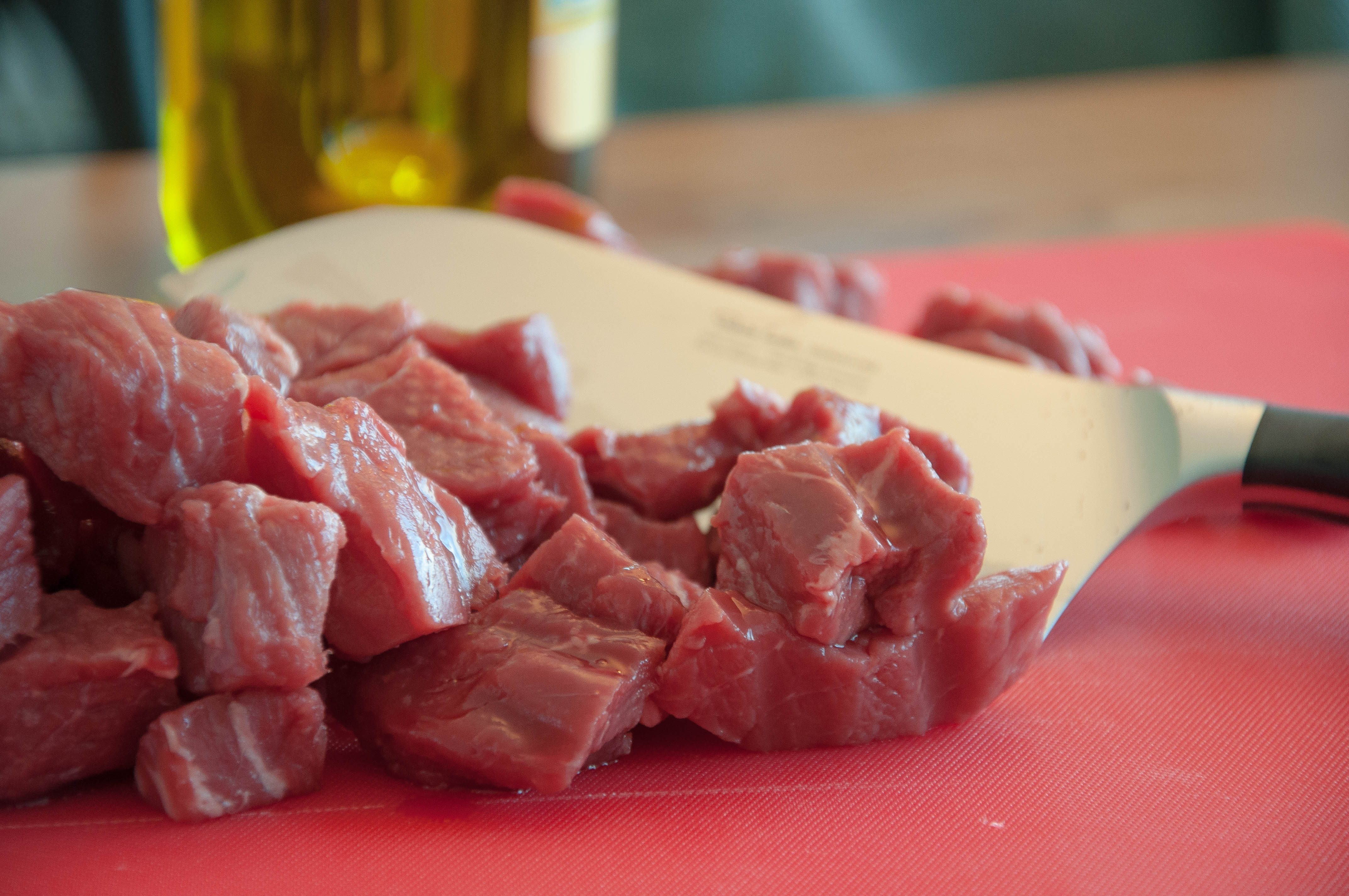
  • 750g/1lb 10oz beef stewing steak
  • 2 tbsp plain flour 2 garlic cloves, sliced and chopped
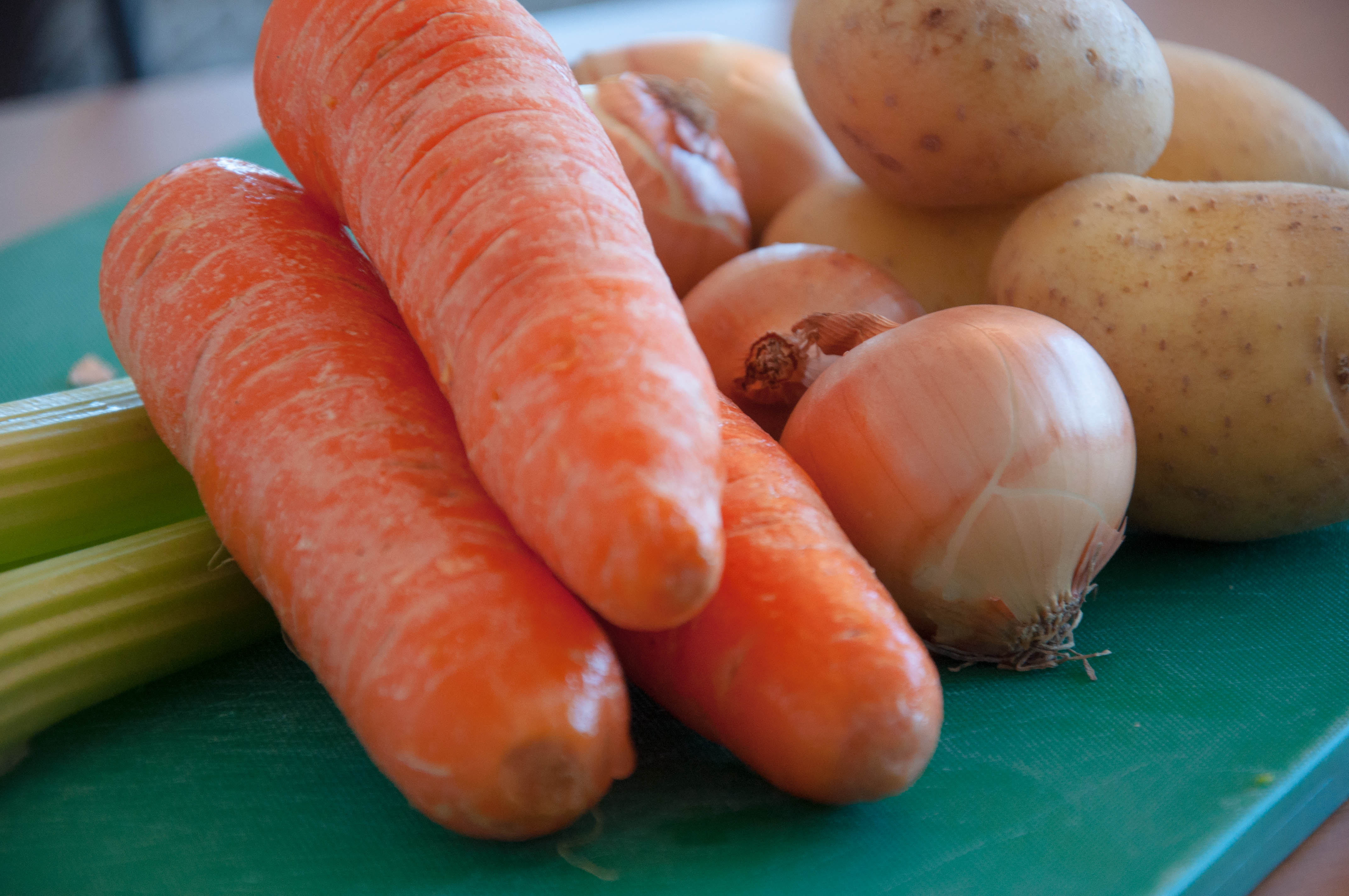
  • 175g/6oz baby onions, peeled
  • 150g/5oz celery, cut into large chunks
  • 150g/5oz carrots, peeled and cut into large chunks
  • 200g/7oz Potato, peeled and cut into large chunks
  • 150ml/5fl oz red wine
  • 150ml/5fl oz Shaosing Dark Cooking Rice Wine
  • ½ litre/17fl oz real ale or bitter
  • 500ml/18fl oz beef stock
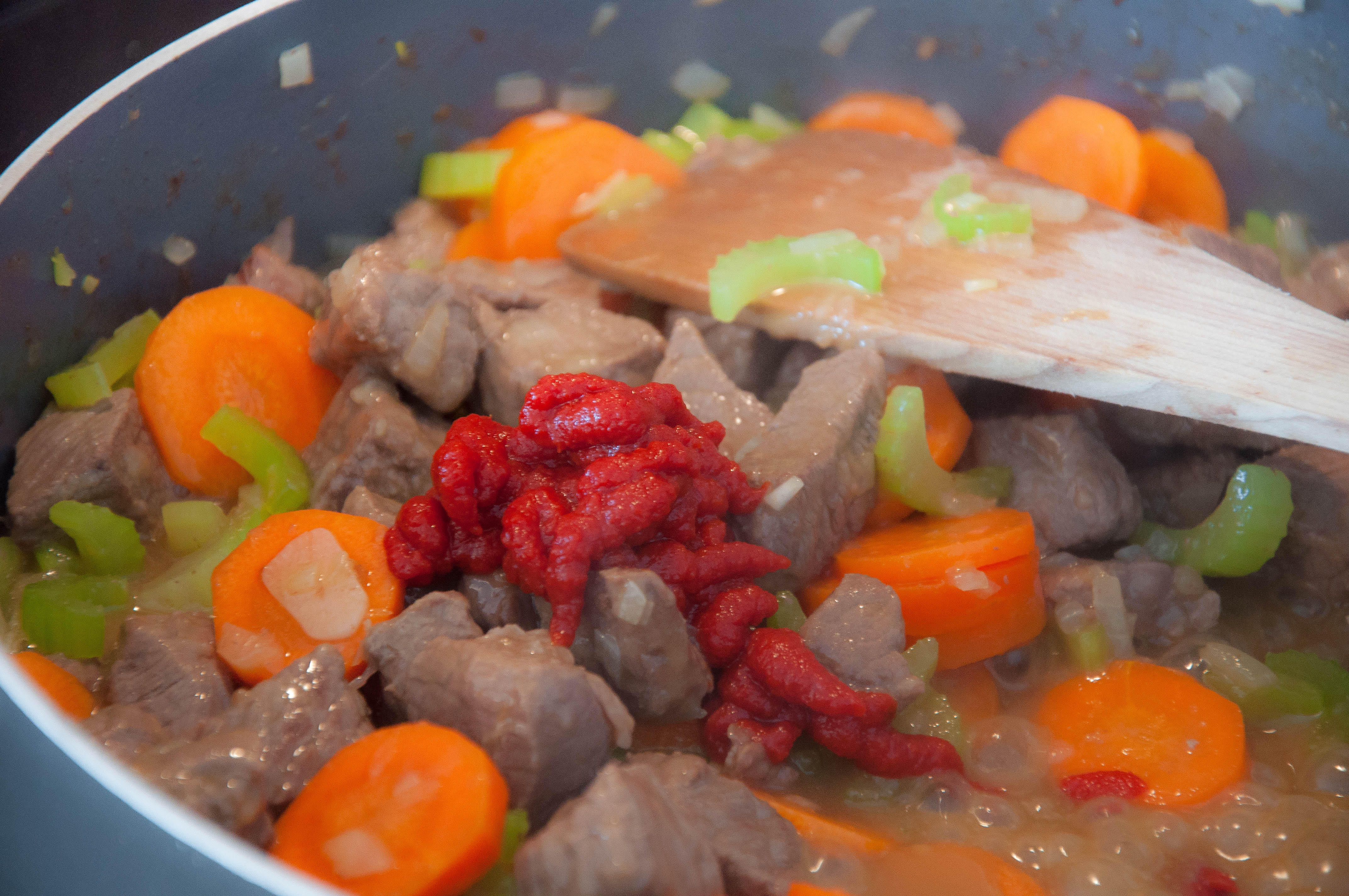
  • 2 tbsp tomato puree
  • 1 tbsp light soy sauce
  • 2 tbsp honey
  • 2 tbsp fresh lemon thyme leaves
  • 3 tbsp fresh thyme leaves
  • 3 tbsp chopped fresh flatleaf parsley
  • Worcestershire sauce, to taste
  • 1 tbsp red wine vinegar, or to taste
  • salt and freshly ground black pepper

For the Dumplings:

  • 125g/4½oz plain flour plus extra for dusting
  • 1 tsp baking powder
  • 100g duck fat
  • pinch salt
  • just enough water to make a thick dough

DSC_3899

Preparation method

  1. Preheat the oven to 180C/350F/Gas 4.
  2. For the beef stew: In a large casserole/oven dish, heat a tablespoon of the olive oil until shimmering. Trim any excess fat from the meat.
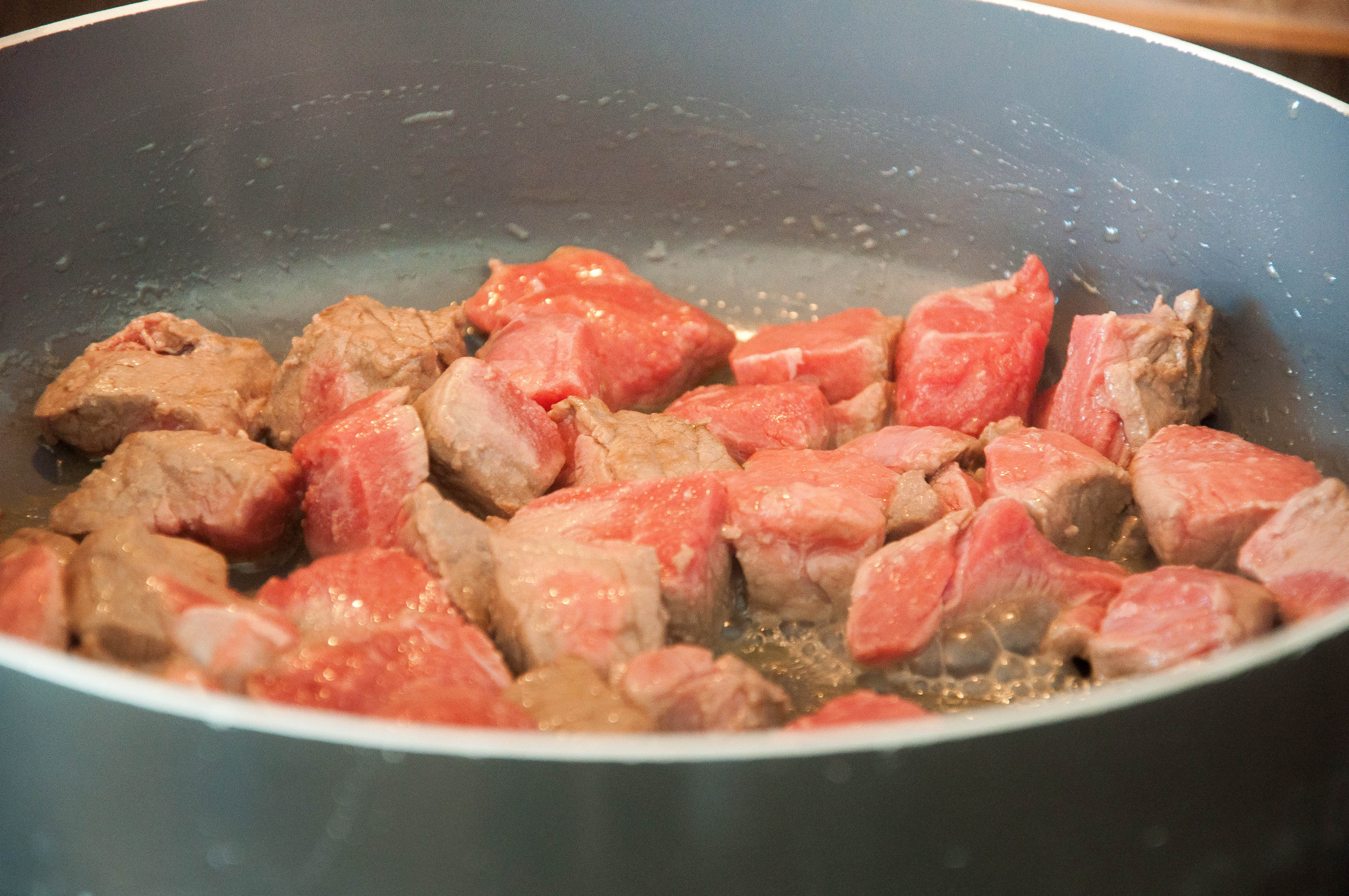
  3. Pat dry the meat with kitchen paper and fry the beef until browned on all sides. Stir in a large splash of the Shaosing rice wine.
  4. Sprinkle over the flour and cook for a further 2-3 minutes.
  5. In a separate frying pan add the butter, garlic and all the vegetables (apart from the potatoes) and and cook over a moderate heat, stirring occasionally, until the onion is softened. Drain any excess oil. If very oily remove the contents of the pan and pat with kitchen towel to absorb the oil.
  6. Add the vegetables to the meat pan.
  7. Stir in the wine, Shaosing wine, stock and herbs, then add the Worcestershire sauce and red wine vinegar, to taste. Season with salt and freshly ground black pepper. Then add the honey and stir it in.
  8. Add the ale and simmer on a medium heat for 10mins.
  9. Cover with 2 layers of foil (or a lid obviously), and transfer to the oven and cook for about two hours, or until the meat is tender.
  10. After an hour add the peeled potatoes to the broth.
  11. For the dumplings, sift the flour, baking powder and salt into a bowl.
  12. Add the duck fat and small amount of water – just enough to form a thick dough. If you’re not sure err on the side of caution you can always add a little more.
  13. With floured hands, roll spoonfuls of the dough into small balls – don’t make them too big as they will expand in the stew.
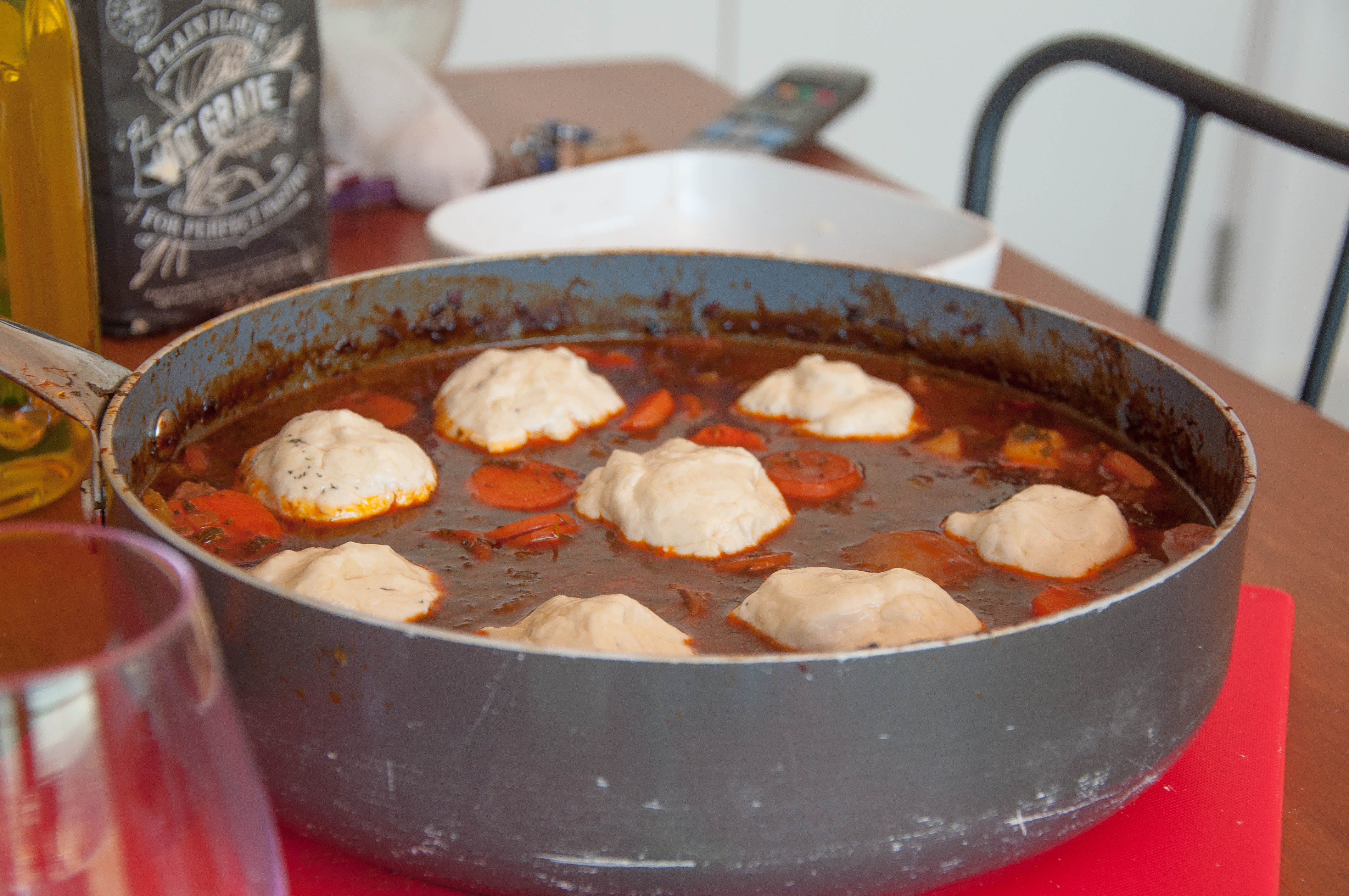
  14. After two hours, remove the lid from the stew and place the balls on top of the stew. Cover, return to the oven and cook for a further 20 minutes, or until the dumplings have swollen and are tender.
  15. If you prefer your dumplings with a golden top, take the foil off and bake in the oven until they’re browned off.
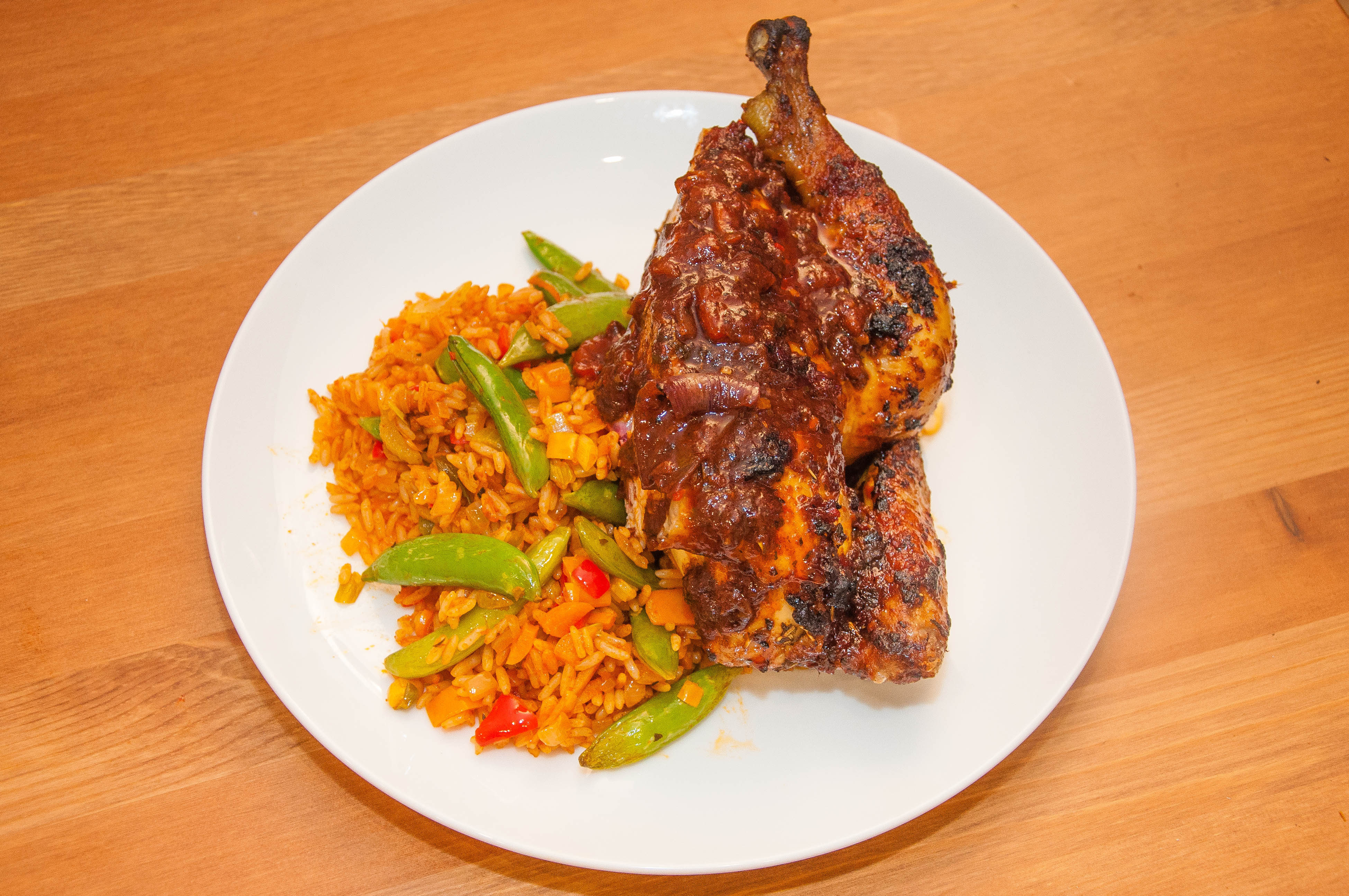
  16. To serve, place a large spoonful of dumplings and potatoes into each of four serving plates and top with the meat and vegetables from the stew. Sprinkle with some chopped parsley.

MUSIC I COOKED TO:
DSC_3922

DSC_3763DSC_3765DSC_3771DSC_3777DSC_3784DSC_3791DSC_3796DSC_3802DSC_3808DSC_3812DSC_3818DSC_3820DSC_3823DSC_3856DSC_3857DSC_3868DSC_3894 DSC_3885DSC_3913